

Undead Unluck, Yoshifumi Tozuka’s exhilarating manga odyssey, has concluded its initial serialized run, leaving in its wake a complex and deeply satisfying resolution that has captivated and, at times, perplexed its global readership. The narrative’s conclusion, far from offering a simplistic denouement, delves into the intricate mechanics of fate, the cyclical nature of existence, and the profound power of human connection in the face of cosmic predestination. To fully appreciate the ending of Undead Unluck, one must dissect its layered narrative, unraveling the threads of time loops, Negator abilities, and the overarching conflict against the enigmatic entity known as God.
The series, from its inception, has been characterized by its audacious premise: Fuuko Izumo, a girl burdened with the Unluck ability that brings misfortune to anyone she touches, encounters Andy, an immortal man yearning for a true death. Their unlikely partnership propels them into the clandestine world of the Union, an organization dedicated to controlling and combating Negators, individuals wielding extraordinary and often paradoxical powers. As the narrative progresses, Undead Unluck transcends its initial monster-of-the-week structure, evolving into a sprawling epic that grapples with existential themes and the very fabric of reality.
The Loop Unveiled: A Cosmic Replay Button
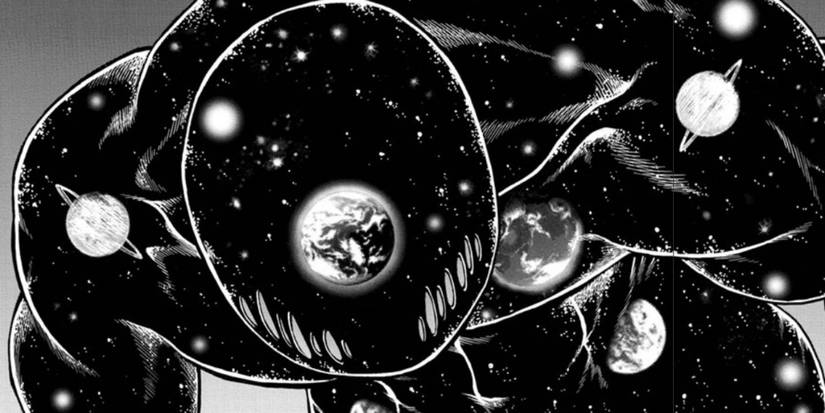
A central pillar of Undead Unluck‘s narrative architecture is the concept of the Loop. This isn’t merely a narrative device; it is the fundamental mechanism governing the universe within the manga. As revealed throughout the story, the world of Undead Unluck is not linear but cyclical, resetting and restarting after each “Loop.” These Loops are orchestrated by God, an entity seeking entertainment and constantly tweaking the rules and parameters of existence to alleviate its cosmic boredom. Each Loop presents a variation on the previous, with subtle and sometimes drastic alterations to history, character fates, and the very nature of Negator abilities.
The revelation of the Loop fundamentally recontextualizes the entire series. The struggles, victories, and defeats experienced by Fuuko, Andy, and the Union are not isolated events but iterations within an endless cycle. This cyclical nature introduces a profound sense of both futility and hope. Futility, in the sense that past triumphs can be undone or rendered irrelevant in a new Loop; hope, because each new Loop offers the potential for change, for breaking free from the predetermined path laid out by God. The ending of Undead Unluck hinges on the characters’ collective effort to not merely survive within a Loop, but to actively dismantle the Loop mechanism itself.
Understanding the Loop is crucial to interpreting the ending. It explains the recurring appearances of certain characters, the subtle shifts in history, and the sense of déjà vu that permeates certain arcs. The Union’s fight against God is not a one-time battle but a protracted war across multiple Loops, a desperate attempt to accumulate knowledge and power across iterations to ultimately achieve a decisive victory. The ending, therefore, is not just the conclusion of a single story arc but the culmination of countless cycles of struggle and learning.
Fuuko and Andy: Anchors of Change in a Sea of Repetition
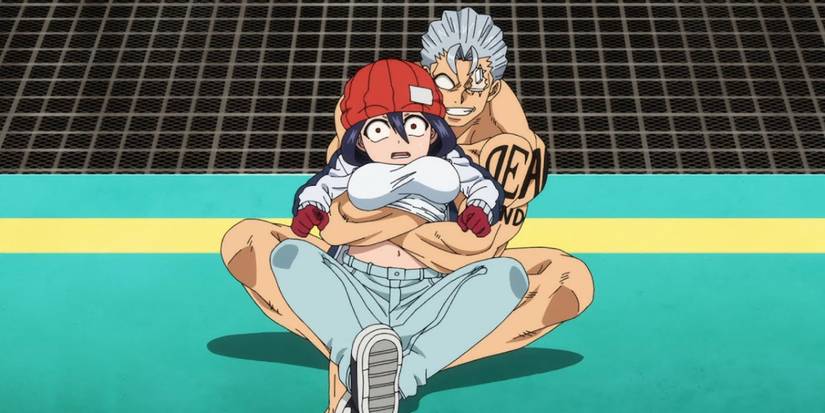
At the heart of Undead Unluck lies the dynamic and evolving relationship between Fuuko and Andy. They are not merely protagonists; they are catalysts for change within the rigid structure of the Loop. Fuuko’s Unluck ability, initially perceived as a curse, becomes a paradoxical source of immense power when combined with Andy’s Undead nature. Their symbiotic relationship, built on mutual trust, understanding, and a shared desire to defy fate, becomes the driving force behind the Union’s efforts to break free from God’s control.
Andy’s immortality, a seemingly enviable power, is revealed to be a source of profound existential weariness. His centuries of existence across multiple Loops have instilled in him a deep-seated longing for release, a true and final death. However, his encounter with Fuuko reignites his purpose, transforming his death wish into a desire to protect her and, by extension, to challenge the very entity that dictates their cyclical existence. Fuuko, in turn, learns to control and harness her Unluck, transforming it from a destructive force into a tool for both combat and, more importantly, for inspiring hope and change in those around her.
Their bond transcends the typical shonen manga protagonist pairing. It’s a relationship forged in shared vulnerability, mutual respect, and a profound understanding of each other’s burdens. The ending of Undead Unluck underscores the significance of their connection, highlighting how their combined abilities and unwavering faith in each other become the key to disrupting the Loop. They represent the human element within a cosmic game, demonstrating that even within a predetermined system, individual agency and the power of human relationships can create unforeseen outcomes.
The Union’s United Front: Collective Will Against Cosmic Design
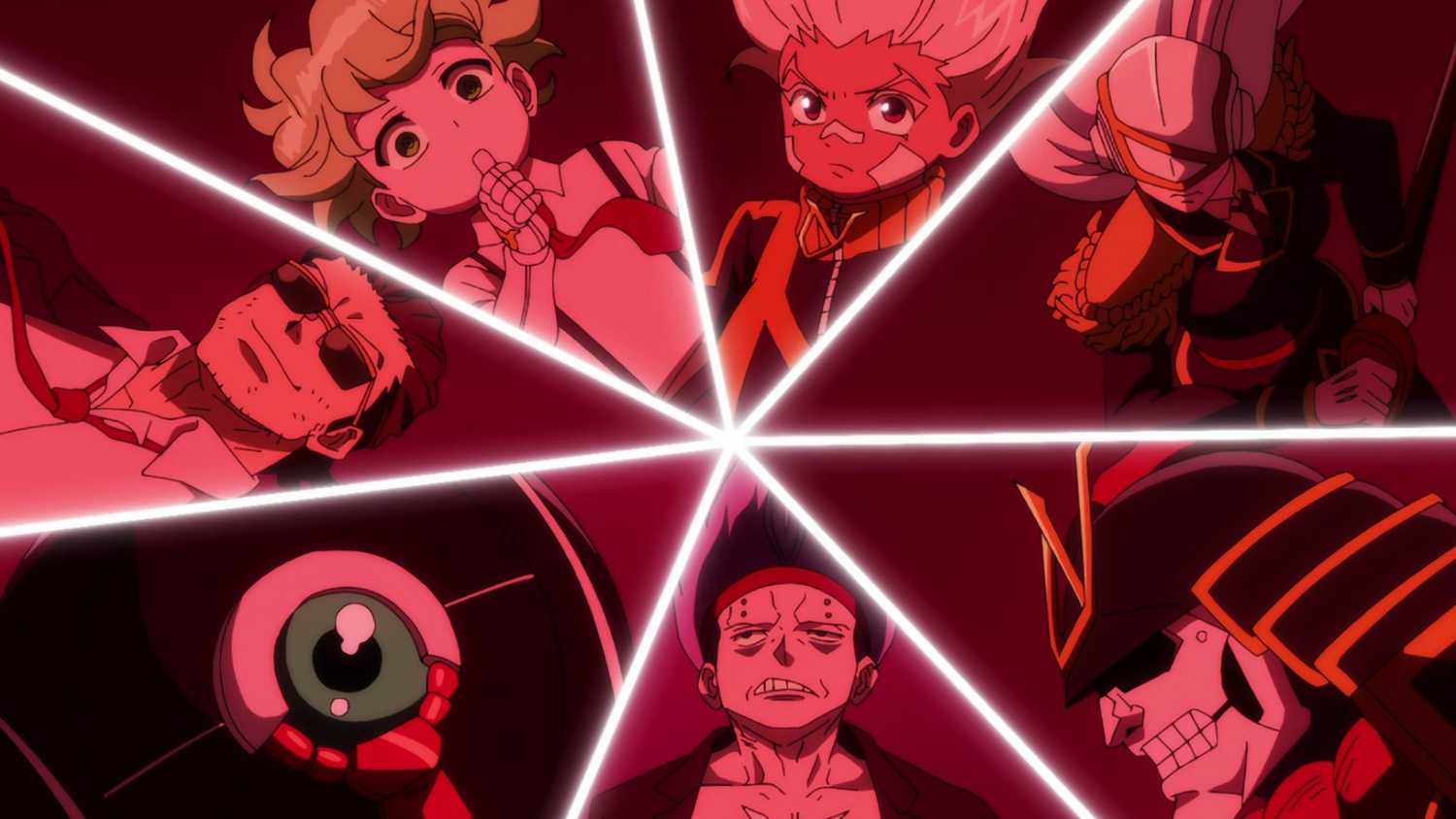
The Union, initially presented as a somewhat antagonistic force in Andy and Fuuko’s early adventures, evolves into a crucial element in the fight against God. Composed of diverse Negators, each with their unique abilities and motivations, the Union embodies the power of collective action and the strength found in unity. Their journey throughout the series is one of growth, from an organization focused on containment and control to a rebellion against cosmic tyranny.
The ending of Undead Unluck emphasizes the importance of each Union member’s contribution. Characters who initially appeared as side figures or even antagonists are revealed to have played vital roles in accumulating knowledge, developing strategies, and ultimately confronting God. Their individual Negator abilities, when combined and coordinated, become a formidable force capable of challenging even a divine entity. The Union’s strength lies not just in their powers but in their shared purpose and their unwavering commitment to each other.
The collaborative nature of the Union’s fight against God is a significant thematic element of the ending. It underscores the idea that even in the face of overwhelming odds and seemingly insurmountable challenges, collective action and mutual support can lead to unexpected breakthroughs. The Union’s success is not solely attributed to Fuuko and Andy, but to the combined efforts of every member, highlighting the power of teamwork and the importance of valuing each individual’s contribution in a larger struggle. This resonates with broader themes of community and the strength found in human solidarity.
Breaking the Loop: A Pyrrhic Victory and a New Beginning
The climax of Undead Unluck involves a direct confrontation with God, a battle that transcends conventional combat and delves into the metaphysical nature of existence. The Union, spearheaded by Fuuko and Andy, utilizes their accumulated knowledge and combined abilities to challenge God’s control over the Loop. This confrontation is not simply a physical battle but a clash of wills, a struggle for agency against predetermined fate.
The ending, while ultimately victorious in breaking the current Loop, is presented as a bittersweet and somewhat Pyrrhic victory. The destruction of the Loop comes at a significant cost, involving sacrifices and the potential erasure of certain aspects of the existing reality. However, this destruction also paves the way for a new beginning, a chance to create a world free from God’s direct manipulation and cyclical control. The victory is not absolute but rather a hard-won opportunity to forge a different future.
Crucially, the ending doesn’t simply erase the past Loops. The experiences, lessons, and relationships forged across these cycles are not lost. They become the foundation upon which the new world is built. This suggests that even within a system of repetition, progress and growth are possible. The characters carry forward the weight of their past experiences, using them to inform their choices and actions in the newly created world. The ending is therefore not a clean slate but a continuation, a testament to the enduring impact of experience and the possibility of learning and evolving even within seemingly deterministic systems.
A New Loop, A Different Game: The Cycle Continues, but with Agency
Perhaps the most nuanced aspect of Undead Unluck‘s ending is the subtle hint that the cycle, in a way, continues. While the specific Loop they were trapped in is broken, the fundamental concept of cyclical existence and the presence of God are not entirely eradicated. Instead, the ending suggests a shift in the nature of the game, a transition from a predetermined Loop to a new, less rigidly controlled cycle where human agency and choice play a more significant role.
This is not a definitive, happily-ever-after ending in the traditional sense. It is a more complex and arguably more realistic conclusion. The struggle against cosmic forces is not entirely won, but the terms of engagement have changed. Humanity has earned a degree of autonomy, a chance to shape its own destiny within the broader cosmic framework. The ending implies that challenges and conflicts will inevitably continue, but they will be faced with the hard-won agency and collective strength gained throughout the previous Loops.
The ambiguity of the ending is arguably its greatest strength. It avoids simplistic resolutions and instead offers a more thought-provoking and open-ended conclusion. It leaves the reader with a sense of both closure and anticipation, suggesting that the story, while concluding its initial serialized form, hints at a larger, ongoing narrative. The cycle may continue, but with the crucial difference that humanity, represented by Fuuko, Andy, and the Union, has gained the power to influence its trajectory, to write its own chapter in the ongoing cosmic game.
Thematic Resonance: Fate, Free Will, and the Power of Connection
Beyond its intricate plot and dynamic action sequences, Undead Unluck‘s ending resonates deeply with several key thematic concerns. The series grapples with the age-old philosophical debate of fate versus free will, exploring the extent to which human actions are predetermined or genuinely autonomous. The concept of the Loop represents a form of cosmic determinism, a system where events are cyclical and seemingly unavoidable. However, the characters’ struggle to break free from the Loop underscores the enduring human desire for agency and the belief in the possibility of self-determination.
The ending ultimately leans towards an affirmation of free will, albeit within a complex and nuanced framework. While the cosmic game may continue, humanity has demonstrated its capacity to challenge and alter the rules, to inject elements of unpredictability and choice into a seemingly deterministic system. This is not a simplistic triumph of free will over fate, but rather a recognition that the relationship between the two is dynamic and constantly evolving. Human agency, while not absolute, is a powerful force capable of shaping even cosmic destinies.
Furthermore, the ending underscores the profound importance of human connection and relationships. The bond between Fuuko and Andy, the unity of the Union, and the collective efforts of humanity as a whole are presented as the driving forces behind breaking the Loop. This highlights the idea that human relationships are not merely personal comforts but essential tools for overcoming challenges and achieving meaningful change. In a universe governed by cosmic forces and deterministic cycles, it is human connection that provides the strength, resilience, and ultimately, the agency to defy fate and forge a different future. Undead Unluck‘s ending, therefore, is not just a resolution of plot but a powerful affirmation of the enduring power of human relationships in the face of existential challenges.