
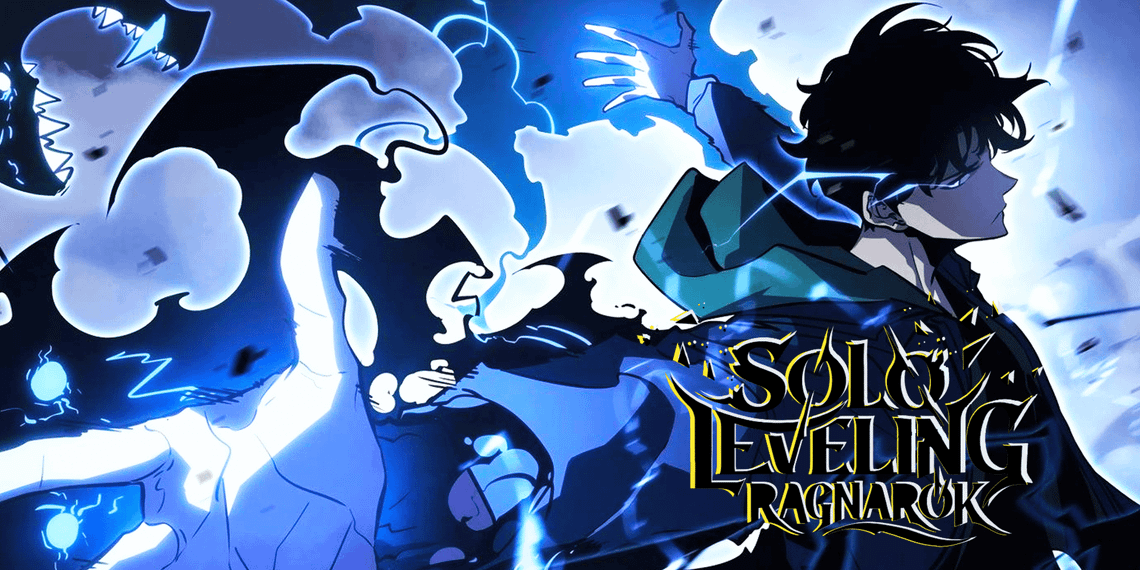
The ascent of Solo Leveling to global phenomenon status is a narrative in itself, mirroring the power-scaling fantasy that captivated millions. Originating as a South Korean web novel penned by Chugong, its metamorphosis into a visually arresting webtoon, and subsequently a highly anticipated anime adaptation, cemented its place within the pantheon of contemporary fantasy titans. The tale of Sung Jinwoo’s improbable journey from the nadir of hunter ranks to the zenith of unparalleled power resonated deeply, fueled by breathtaking artwork, a relentlessly escalating power curve, and a narrative that deftly navigated themes of perseverance, growth, and the intoxicating allure of dominance. However, as is often the case with narratives that achieve stratospheric success, the question of continuation looms large. Can the incandescent spark of the original be rekindled, or will subsequent iterations merely serve as pale imitations, destined to languish in the shadow of their progenitor?
Enter Solo Leveling: Ragnarok, the sequel that dares to tread the hallowed ground established by its predecessor. Rather than rehashing familiar territory, Ragnarok boldly pivots its focus to Sung Jinwoo’s son, Sung Suho. This generational shift immediately presents a compelling premise: exploring the legacy of a legend through the eyes of his heir. Suho, inheriting not only his father’s formidable genes but also the latent echoes of his world-altering power, steps into a world subtly reshaped by Jinwoo’s actions, yet rife with nascent threats and uncharted territories. The narrative baton is passed, inviting readers to embark on a new leveling journey, albeit one tinged with the weighty expectations and indelible shadow of the original narrative.
The announcement of Ragnarok was met with a predictable maelstrom of anticipation and trepidation. The fervor was understandable; the world of Solo Leveling, with its intricate system mechanics, monstrous adversaries, and visually spectacular battles, held an undeniable allure. Yet, the specter of sequel fatigue, a phenomenon all too common in serialized narratives, loomed large. Could Ragnarok transcend the pitfalls of derivative storytelling and carve its own distinct identity, or would it merely become a nostalgic echo, forever tethered to the accomplishments of its forebear? Early reactions, particularly within online communities and critical circles, have been diverse, ranging from cautious optimism to outright skepticism. Comparisons to other generational sequels, most notably Boruto: Naruto Next Generations, were almost instantaneous, carrying with them the baggage of mixed reception and the inherent challenges of inheriting a beloved franchise. This immediate juxtaposition, while perhaps unavoidable, underscores the precarious tightrope Ragnarok must walk – navigating the delicate balance between honoring the legacy of Solo Leveling and forging its own compelling narrative path.
Echoes of Power, New Crescendos: Strengths of Ragnarok
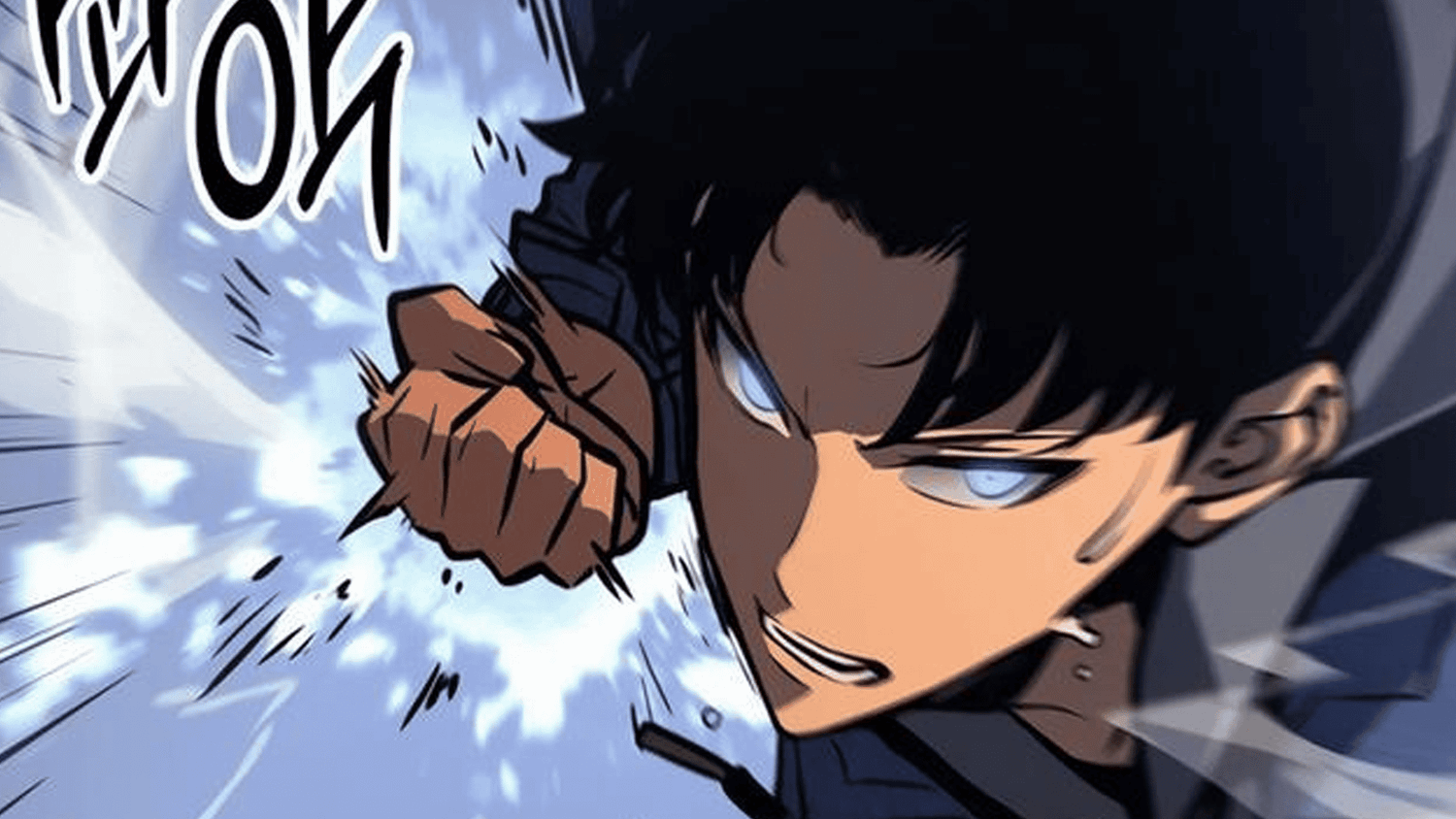
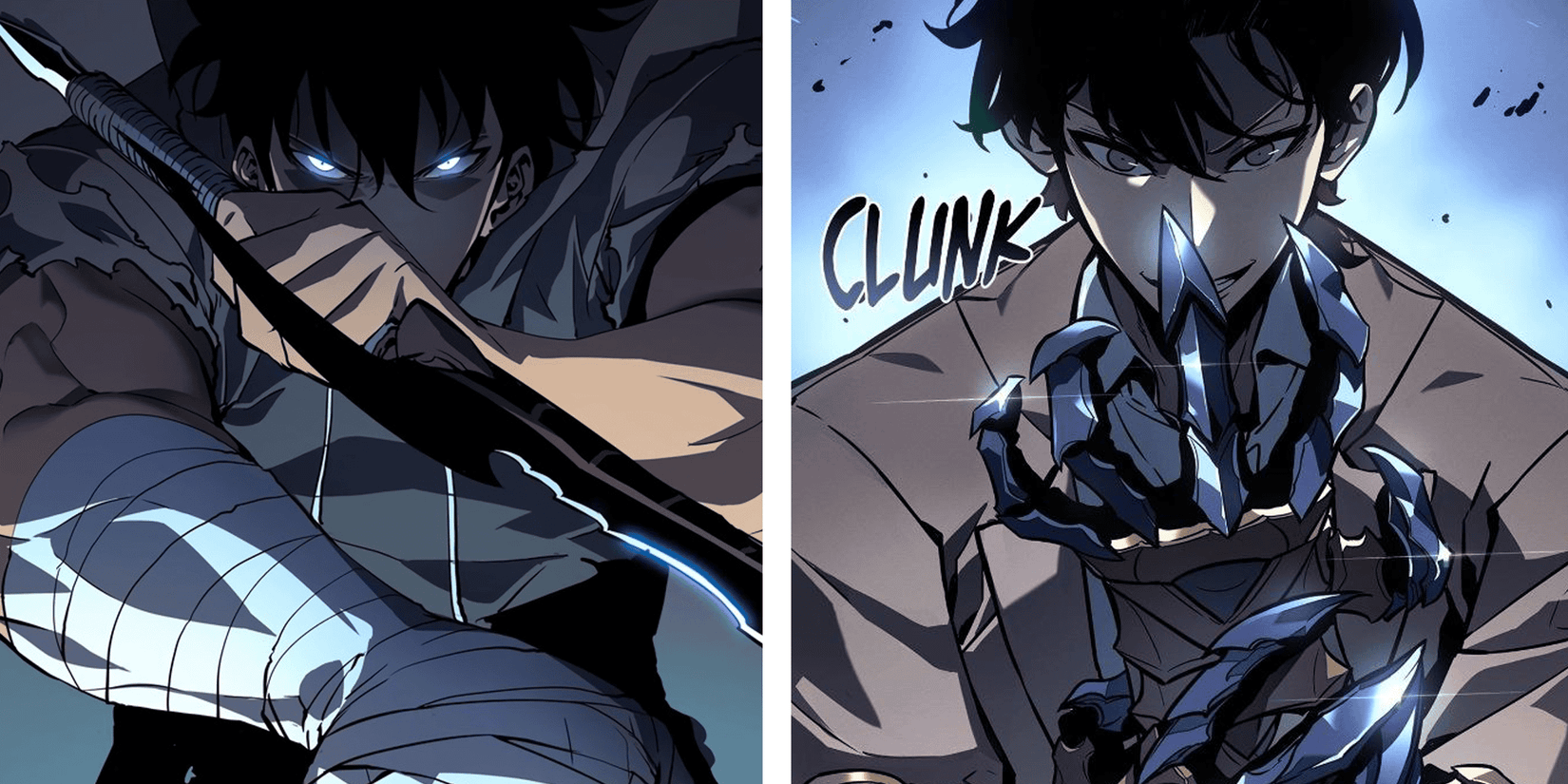
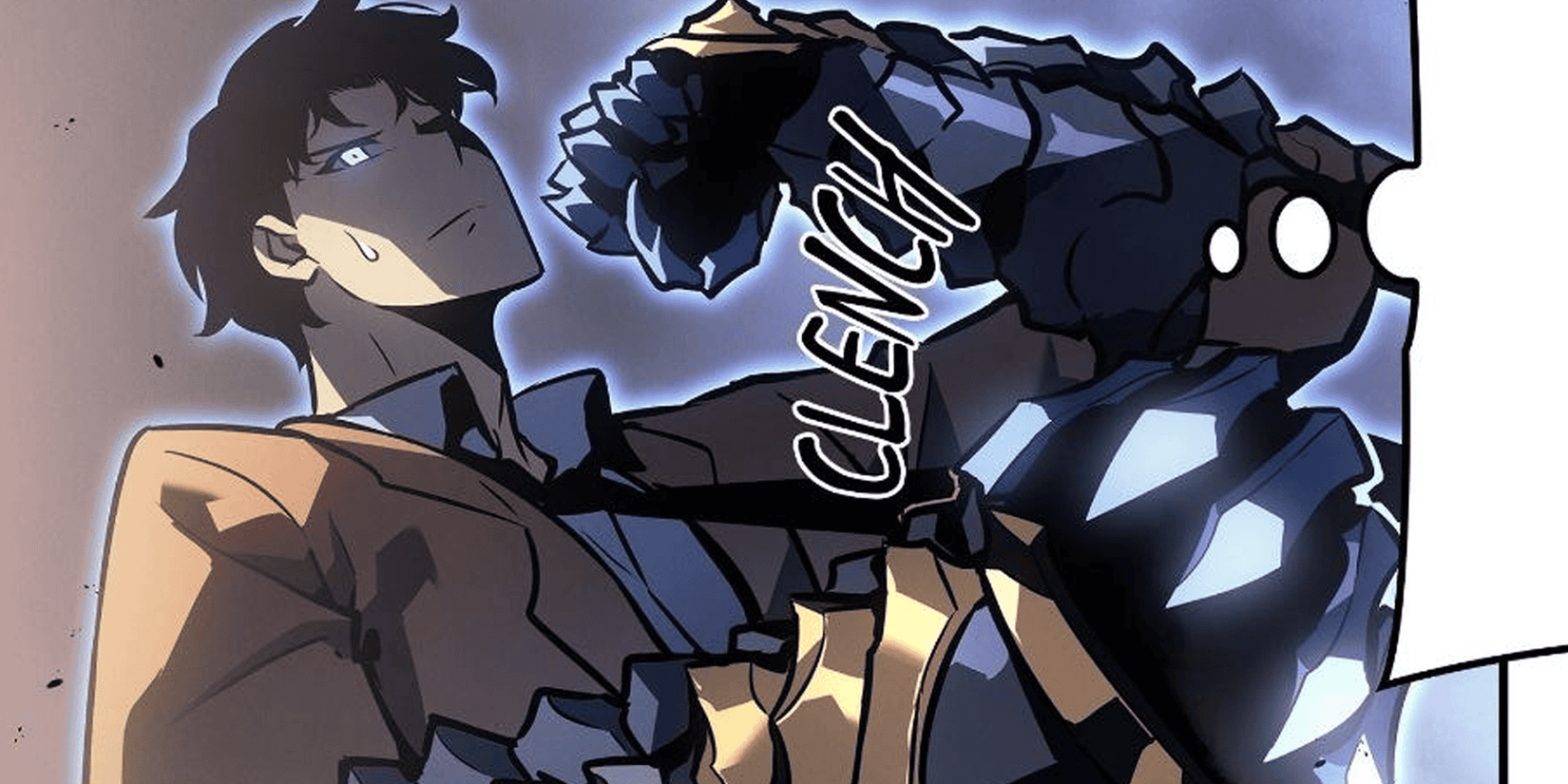
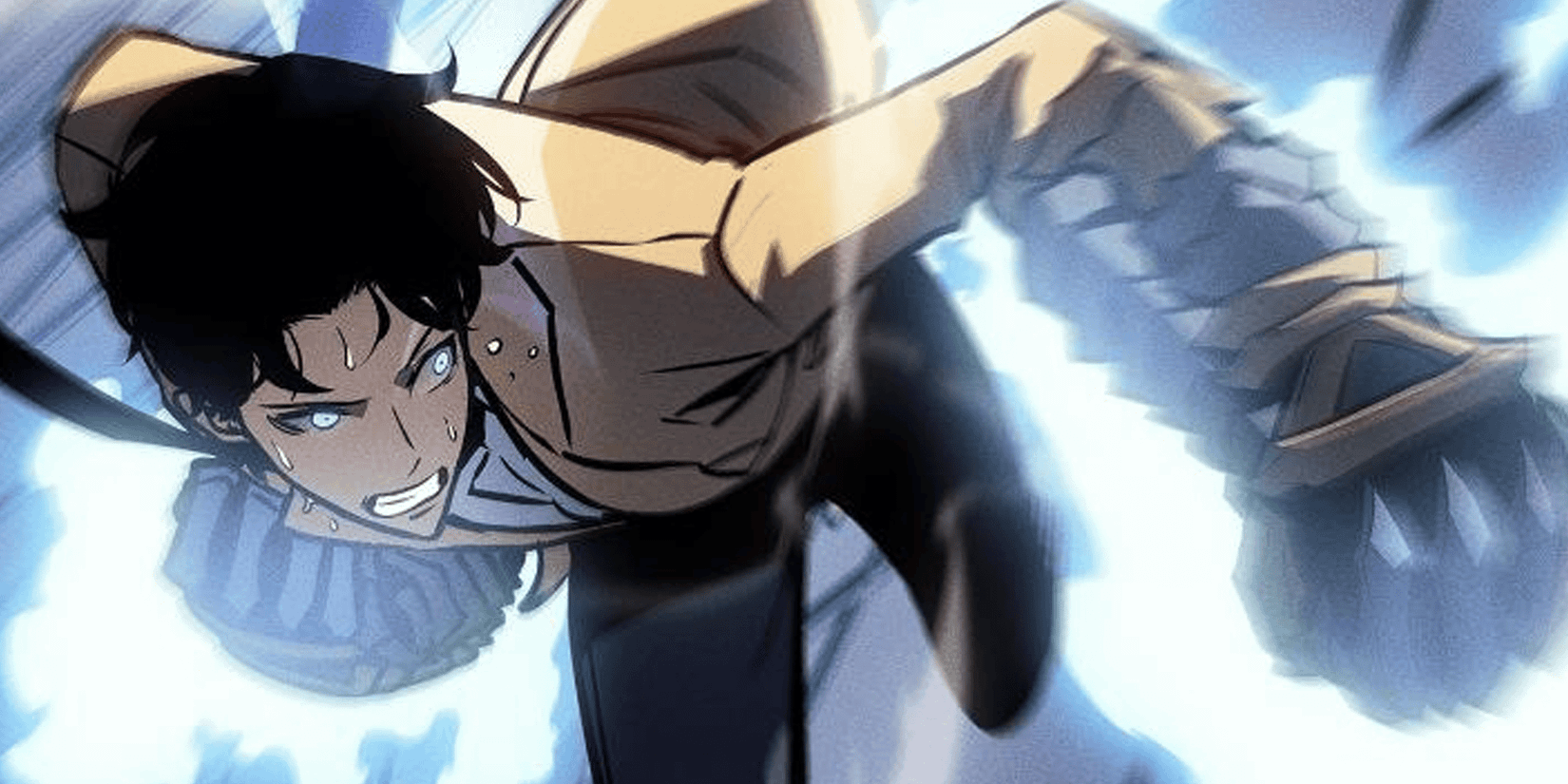
Despite the inherent challenges of sequeldom, Solo Leveling: Ragnarok swiftly establishes its own ground, showcasing several compelling strengths that hint at its potential to not just coexist with the original, but to potentially carve its own niche within the expansive genre landscape. Foremost among these strengths is the continuation, and indeed, subtle evolution, of the visceral action sequences that were a hallmark of Solo Leveling. The original series was lauded for its dynamic and impactful fight choreography, translating the kinetic energy of combat onto the page (and soon, screen) with remarkable efficacy. Ragnarok inherits this legacy and, arguably, refines it further. Sung Suho’s combat style, while bearing the imprint of his father’s power, possesses its own distinct flavor. Early chapters showcase a more raw, perhaps less refined, but equally potent fighting prowess. The impact of his strikes, the visual representation of his burgeoning abilities, and the sheer spectacle of monster encounters remain captivating, ensuring that the adrenaline-pumping core of Solo Leveling remains vibrantly intact.
Furthermore, Ragnarok deftly expands upon the rich tapestry of the Solo Leveling universe. The world, already meticulously crafted in the original series, is not merely static background; it’s a dynamic entity that continues to evolve in the aftermath of Sung Jinwoo’s epochal actions. The sequel subtly hints at the ripple effects of Jinwoo’s ascension, suggesting a world grappling with the ontological shifts wrought by his existence and subsequent transcendence. New dungeons, novel monster varieties, and intriguing geopolitical undercurrents are introduced, hinting at a world brimming with unexplored narratives and potential conflicts. This expansion is not mere window dressing; it suggests a commitment to deepening the lore and broadening the scope of the Solo Leveling universe, offering fertile ground for long-term storytelling and preventing narrative stagnation. The familiar framework of the system and hunter society remains, providing a comforting anchor for returning readers, while the introduction of fresh elements ensures that the narrative landscape remains engaging and unpredictable.
Perhaps the most compelling strength of Ragnarok lies in its nascent potential. It is, after all, in its early stages, still laying the groundwork for its overarching narrative. The initial chapters serve as an effective introduction to Sung Suho, establishing his character, his burgeoning powers, and the immediate challenges he faces. The narrative seeds are sown, hinting at larger conflicts, deeper mysteries, and the inevitable trials that await the son of the Shadow Monarch. This sense of potential is palpable, fueled by the inherent intrigue of Suho’s lineage and the vast, unexplored corners of the Solo Leveling world. The sequel wisely avoids simply rehashing Jinwoo’s journey; instead, it presents a new protagonist with his own unique struggles and aspirations, operating within a world that is both familiar and subtly altered. This delicate balance between homage and innovation provides a solid foundation for Ragnarok to evolve into a compelling narrative entity in its own right, moving beyond the shadow of its illustrious predecessor and forging its own legendary path.
Navigating the Labyrinth: Areas for Refinement in Ragnarok
Despite its promising start and demonstrable strengths, Solo Leveling: Ragnarok is not without its areas for potential refinement. These are not necessarily crippling flaws, but rather points of consideration that, if addressed, could elevate the sequel from a competent continuation to a truly exceptional narrative in its own right. One of the most immediate points of comparison, and indeed, potential contention, is the characterization of Sung Suho himself. Sung Jinwoo’s journey in the original Solo Leveling was characterized by a profound and compelling transformation. He began as the “weakest hunter,” a figure of ridicule and near-despair, and his ascent to power was hard-fought, marked by relentless struggle, strategic ingenuity, and a palpable sense of desperation. This underdog narrative, coupled with Jinwoo’s stoic determination and gradual unveiling of inner strength, resonated powerfully with readers. Sung Suho, in contrast, begins his journey with a latent power and a more outwardly confident demeanor. While this is not inherently negative, it does present a different narrative dynamic. The challenge for Ragnarok lies in crafting a similarly compelling character arc for Suho, one that moves beyond simply inheriting power and delves into his own unique struggles, motivations, and personal growth. Establishing a distinct emotional core for Suho, separate from his father’s legacy, will be crucial for him to emerge as a protagonist who can captivate readers in his own right.
Furthermore, the specter of originality inevitably looms over any sequel, particularly one so closely tied to a narrative phenomenon like Solo Leveling. While Ragnarok commendably avoids a direct retread of the original’s plot, echoes of familiar tropes and narrative structures are undeniably present. The leveling system, dungeon raids, and monster encounters, while still engaging, are inherently familiar elements. The onus is on Ragnarok to leverage these established frameworks in innovative ways, to introduce novel twists, and to explore uncharted narrative territories within the broader Solo Leveling universe. This is not to demand a radical departure from the source material, but rather to advocate for a creative evolution that allows Ragnarok to assert its own narrative identity and avoid becoming solely reliant on the nostalgic appeal of its predecessor. Introducing unique antagonists, exploring different facets of the system mechanics, or delving into previously unexplored societal or geopolitical ramifications of the hunter world could all contribute to enhancing Ragnarok‘s originality and ensuring its long-term narrative viability.
Finally, as with any ongoing serialized narrative, pacing and narrative momentum are critical considerations. Early chapters of Ragnarok, while effectively introducing Suho and establishing the initial premise, occasionally exhibit a somewhat deliberate pacing. World-building and character introductions are essential, particularly in a sequel aiming to establish its own footing. However, maintaining a consistent sense of narrative drive and forward momentum will be crucial to retain reader engagement over the long haul. Balancing exposition and action, character development and plot progression, will be a delicate but necessary act. As Ragnarok progresses, a judicious approach to pacing, ensuring a steady stream of compelling events and character development, will be vital to prevent reader fatigue and maintain the narrative’s inherent dynamism.
The Shadow Monarch’s Lineage: A Comparative Gaze
To truly assess Solo Leveling: Ragnarok‘s standing, it is imperative to engage in a comparative analysis with its progenitor, Solo Leveling. This is not to advocate for a reductive “better or worse” dichotomy, but rather to illuminate the distinct narrative contours of each series and to understand how Ragnarok both echoes and diverges from the foundational elements that made Solo Leveling such a resounding success. The most immediate point of divergence lies, naturally, in the protagonist. Sung Jinwoo’s journey was defined by its dramatic arc of transformation from abject weakness to unparalleled strength. His initial vulnerability, his relentless struggle for survival, and his gradual, almost miraculous, ascent resonated deeply with readers who found themselves vicariously invested in his improbable rise. Jinwoo’s character, initially reticent and driven by necessity, evolved into a figure of stoic power and quiet determination, a protector who shouldered immense burdens with unwavering resolve. His growth was not merely physical; it was a profound metamorphosis of character, forged in the crucible of relentless trials.
Sung Suho, in contrast, commences his narrative from a markedly different vantage point. He is not the “weakest hunter”; he is the son of the strongest, inheriting a legacy of power and expectation. His starting point is one of latent potential, a spark waiting to be ignited. This fundamental difference in premise necessitates a different approach to character development. Suho’s journey is less about overcoming initial weakness and more about navigating the complexities of inherited power, forging his own identity in the shadow of a legendary father, and grappling with the unique challenges that come with being the heir to such an extraordinary legacy. His character arc may be less about dramatic transformation and more about nuanced evolution, exploring the pressures of expectation, the complexities of familial legacy, and the forging of his own distinct path within a world indelibly shaped by his father’s actions. This shift in protagonist archetype presents both opportunities and challenges for Ragnarok. It allows for exploration of different thematic territories, delving into the nuances of legacy and expectation, but it also necessitates crafting a character who can captivate readers without relying on the inherent underdog appeal that so defined Jinwoo’s early narrative.
Narratively, both series operate within the established framework of the system and the hunter society, but their thematic emphasis and narrative trajectories diverge. Solo Leveling, at its core, was a power fantasy, albeit one imbued with compelling character development and dramatic tension. The focus was squarely on Jinwoo’s relentless leveling, his acquisition of increasingly formidable powers, and his confrontations with ever-escalating threats. The narrative momentum was driven by a constant sense of progression, a tangible sense of growth that propelled the story forward. Ragnarok, while retaining the power-scaling elements, appears to be subtly shifting its thematic focus. Early chapters hint at a greater emphasis on legacy, familial bonds, and the broader societal implications of the hunter world. The narrative may be less solely focused on the raw acquisition of power and more attuned to exploring the responsibilities and complexities that come with wielding such power, particularly when inherited from a figure of legendary status. This thematic shift, if fully realized, could provide Ragnarok with a distinct narrative identity, differentiating it from the power-fantasy core of the original and allowing it to explore more nuanced and thematically rich territories.
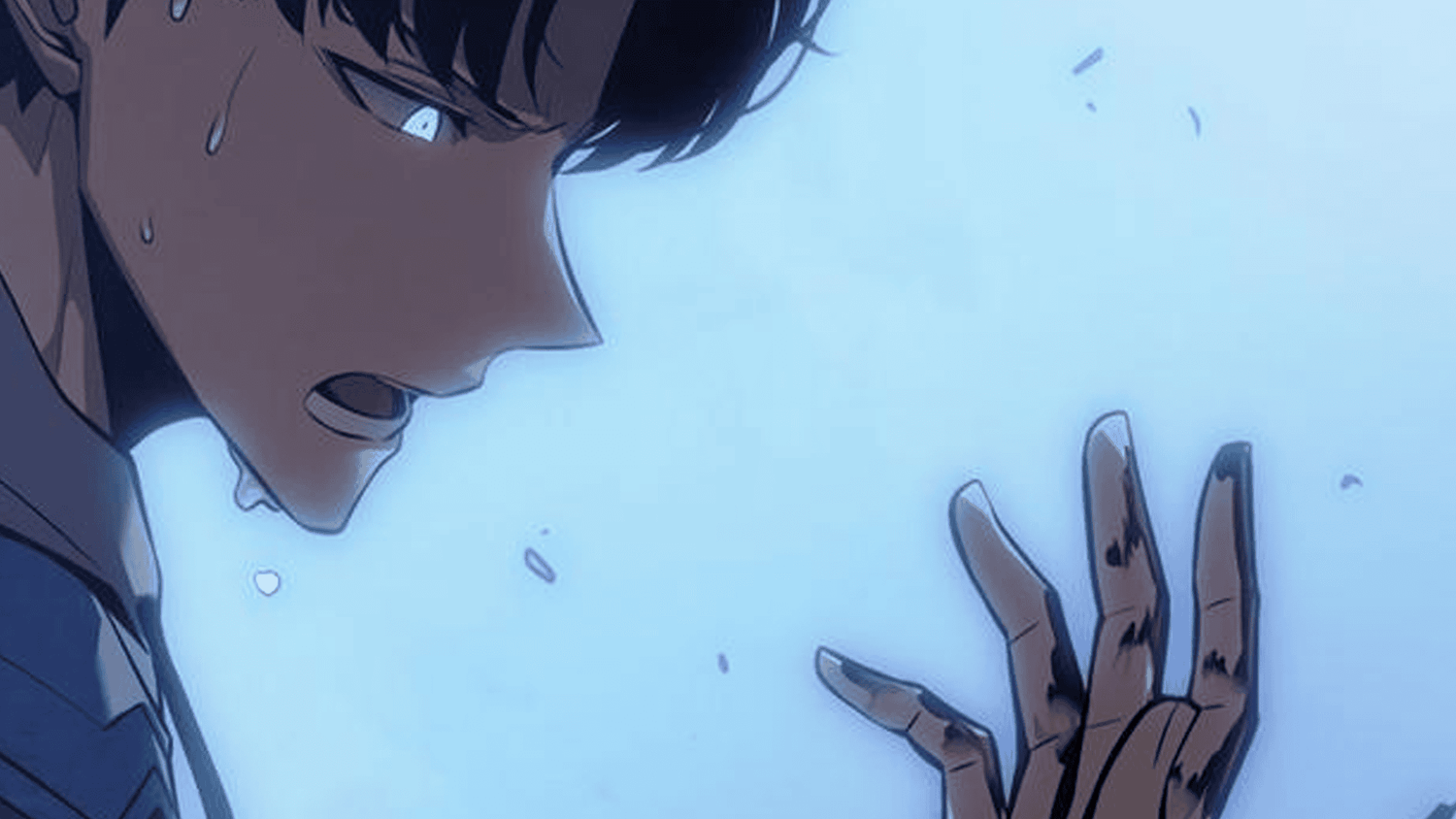
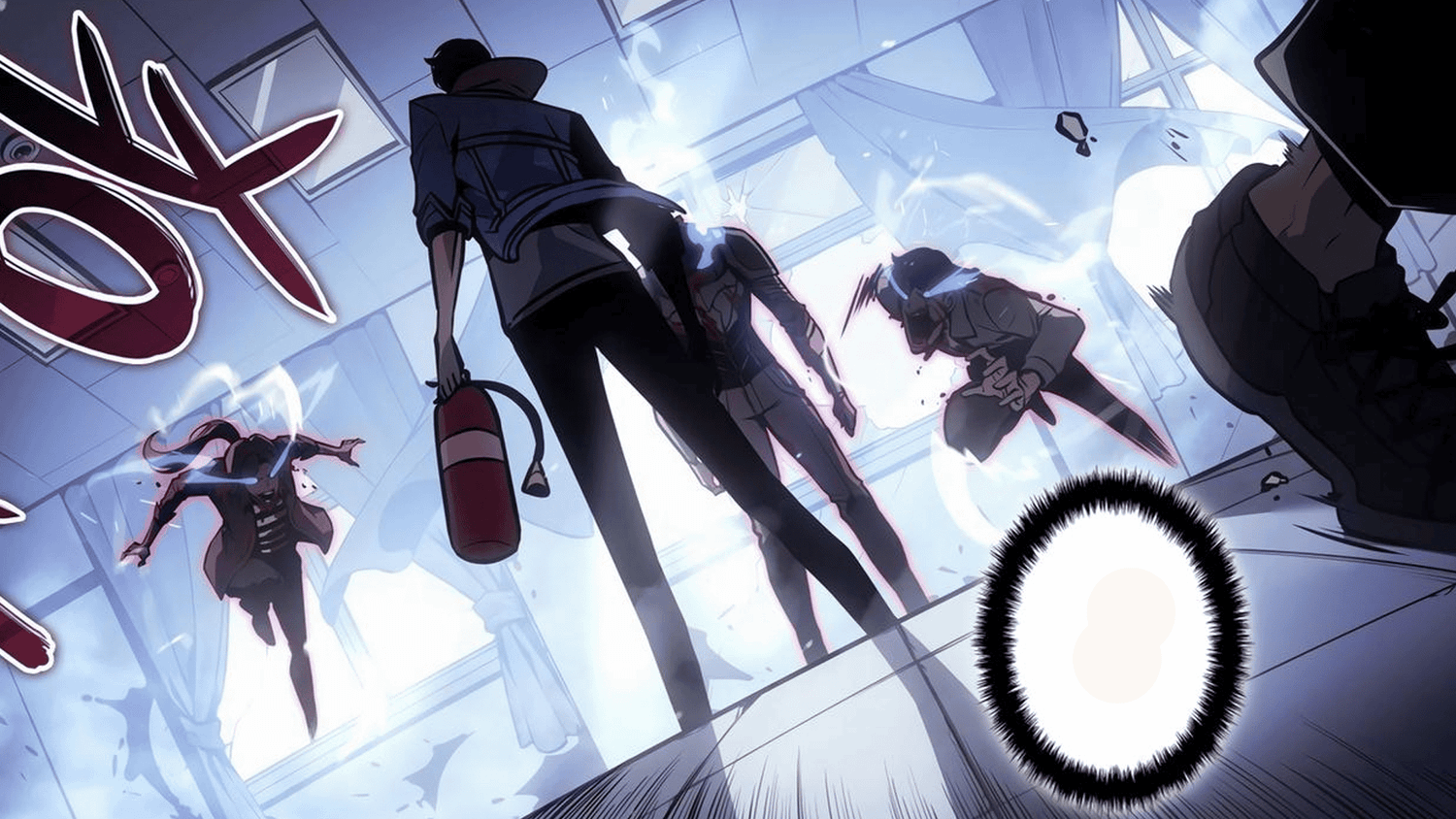
Visually, both series share a common DNA, inheriting the dynamic and impactful art style that became synonymous with Solo Leveling. However, subtle stylistic evolutions are discernible in Ragnarok. The character designs, while retaining the overall aesthetic, exhibit a slight refinement, perhaps reflecting the advancements in webtoon artistry and technology. The action sequences remain visually stunning, characterized by dynamic paneling, impactful rendering of special effects, and a keen eye for kinetic detail. The monsters and environments also showcase a continued commitment to visual richness and imaginative design. While the core visual identity remains consistent, Ragnarok subtly refines and enhances the established art style, ensuring that it remains at the forefront of visually compelling webtoon storytelling. This visual continuity provides a comforting familiarity for returning readers while also showcasing a commitment to maintaining the high artistic standards set by the original.
The Boruto Paradox: Navigating Generational Sequels
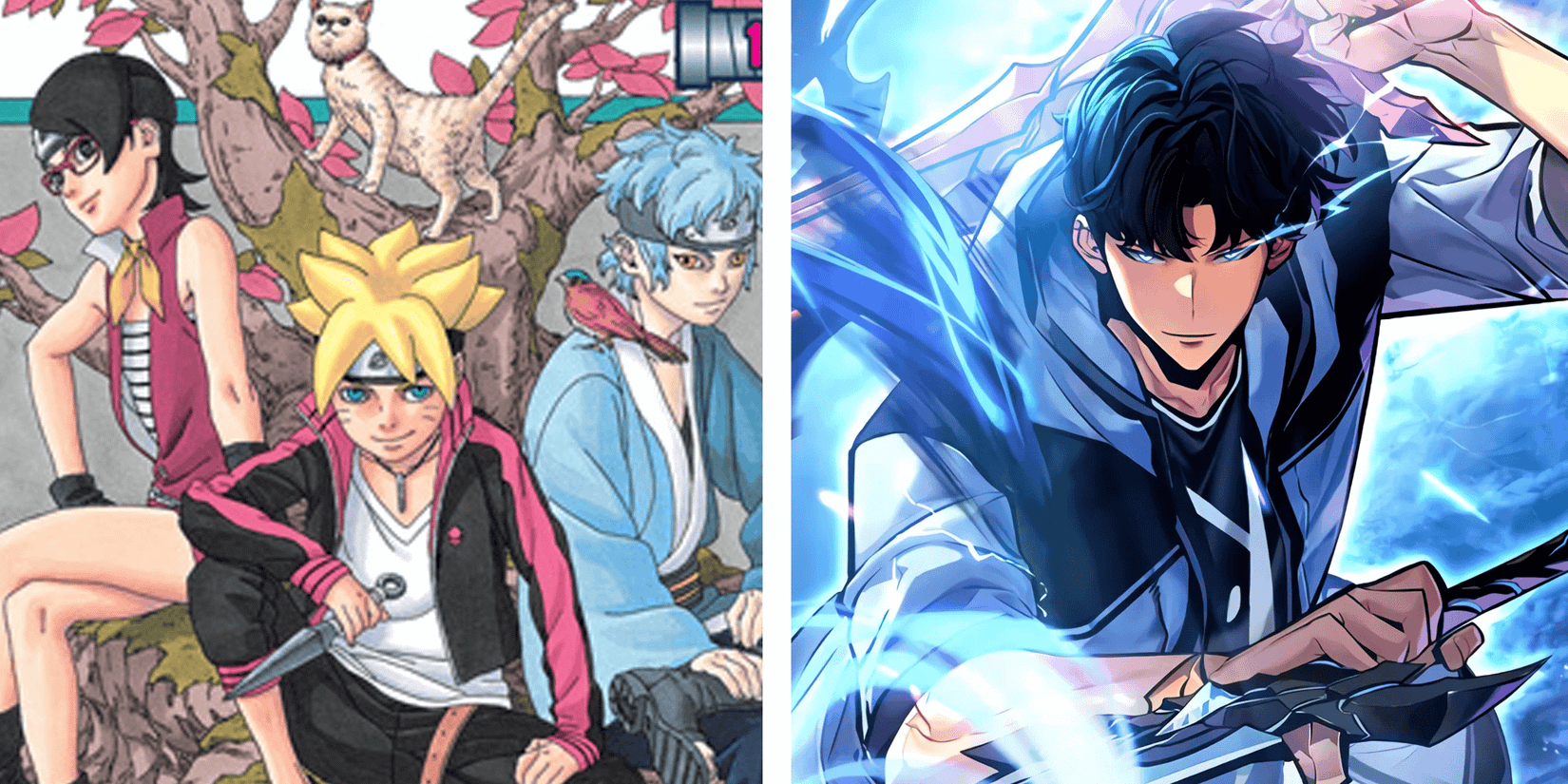
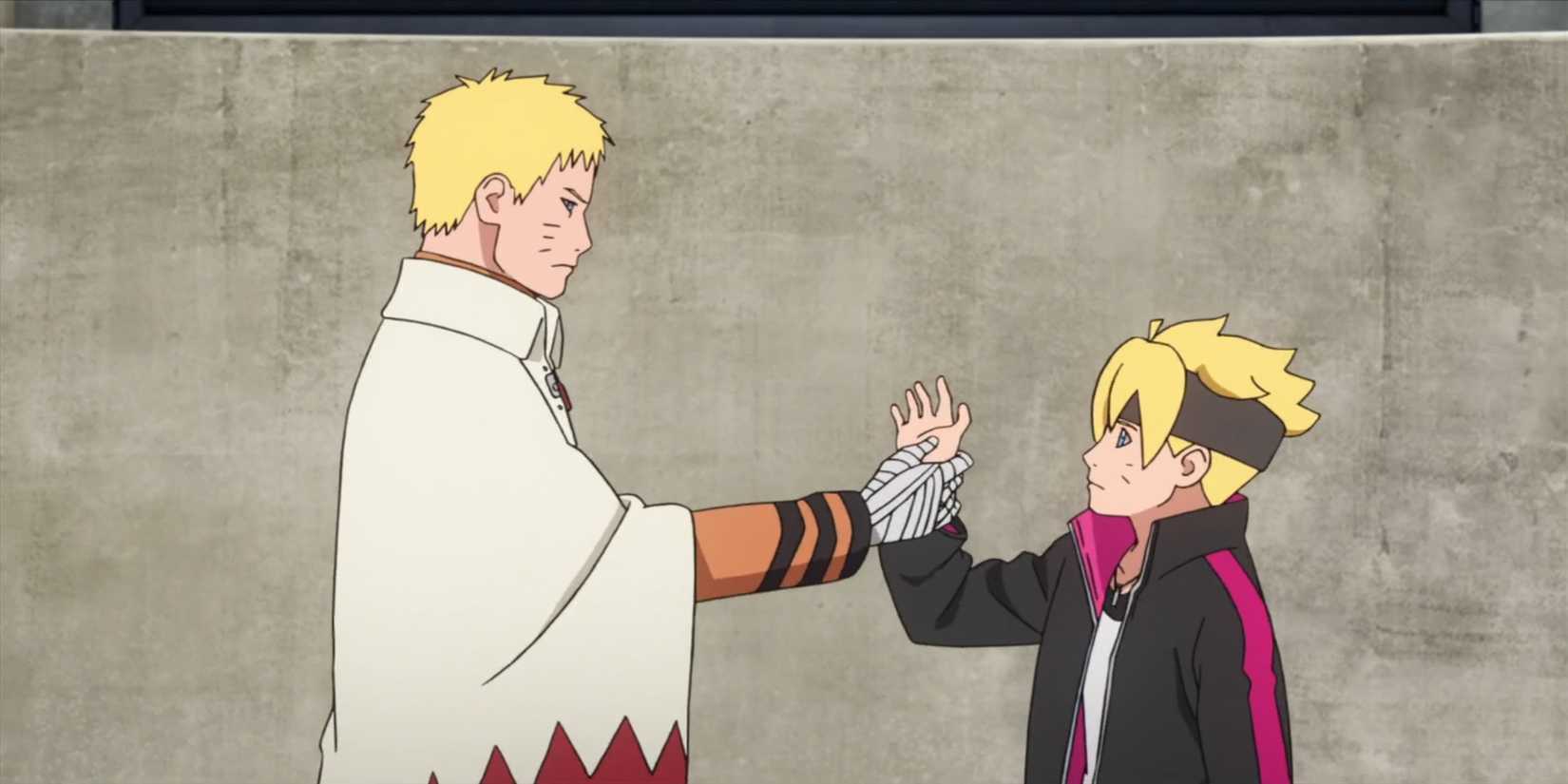
The specter of Boruto: Naruto Next Generations looms large in any discussion of generational sequels within the anime and manga sphere. The comparisons between Ragnarok and Boruto are almost inevitable, given their shared premise of focusing on the progeny of iconic protagonists. Boruto‘s reception has been, to put it mildly, divisive. While it has its dedicated fanbase, it has also faced considerable criticism for perceived deviations from the tone and thematic depth of its predecessor, Naruto, and for the characterization of its new protagonist, Boruto Uzumaki. The “Boruto paradox,” as it might be termed, encapsulates the inherent challenges of crafting a successful generational sequel: how to honor the legacy of the original while forging a distinct narrative identity, how to introduce new characters who can resonate with audiences without eclipsing the beloved figures of the past, and how to maintain the thematic and tonal essence that made the original so compelling.
Ragnarok, acutely aware of the pitfalls and precedents set by series like Boruto, appears to be consciously navigating this treacherous terrain. While drawing clear parallels to Solo Leveling through its world-building, system mechanics, and visual style, it actively seeks to differentiate itself in key areas. The characterization of Sung Suho, as discussed previously, is a deliberate departure from Sung Jinwoo’s initial archetype. Suho is not a carbon copy of his father; he possesses his own personality, motivations, and approach to combat. This distinction is crucial in preventing Ragnarok from simply becoming a rehash of Solo Leveling with a new protagonist skin. Furthermore, Ragnarok subtly shifts the thematic emphasis, moving beyond the pure power fantasy of the original and exploring themes of legacy, familial responsibility, and the broader societal ramifications of the hunter world. This thematic evolution, if sustained, can provide Ragnarok with a distinct narrative purpose, justifying its existence as more than just a nostalgic continuation.
However, the shadow of Boruto serves as a cautionary tale. The pitfalls of generational sequels are real, and the risk of alienating the original fanbase while failing to cultivate a new audience is ever-present. Ragnarok must remain vigilant in maintaining a delicate balance: honoring the core elements that made Solo Leveling beloved while boldly innovating and forging its own narrative path. This requires a nuanced understanding of what resonated with audiences in the original series – was it purely the power fantasy, or was it the compelling character arc of Jinwoo, the intricate world-building, or the dynamic action sequences? Identifying these core elements and building upon them, rather than simply replicating them, will be crucial for Ragnarok to transcend the “Boruto paradox” and establish itself as a worthy successor, rather than a pale imitation.
Artistic Evolution: Visual Storytelling in Ragnarok
The visual tapestry of Solo Leveling was undeniably one of its most potent assets. The webtoon format allowed for a breathtaking level of artistic detail, dynamic action choreography, and evocative character expressions. The art style, characterized by its sharp lines, impactful shading, and meticulous rendering of both monstrous adversaries and human characters, became instantly recognizable and contributed significantly to the series’ global appeal. Solo Leveling: Ragnarok inherits this visual legacy and, in many ways, refines and elevates it further, showcasing the continued evolution of webtoon artistry and the dedication to visual storytelling that defines the franchise.
The character designs in Ragnarok, while maintaining the overall aesthetic of Solo Leveling, exhibit a subtle polish and refinement. Sung Suho, as the protagonist, is visually distinct from his father, possessing a youthful energy and a slightly different facial structure, yet clearly bearing the familial resemblance. The supporting characters, both new and familiar, are rendered with equal attention to detail, their designs conveying their personalities and roles within the narrative. The monster designs, a crucial element of the Solo Leveling universe, continue to be imaginative and visually striking, ranging from grotesque and terrifying to awe-inspiring and powerful. The artistic team behind Ragnarok clearly understands the importance of visual variety and impact in monster design, ensuring that each new encounter feels fresh and visually engaging.
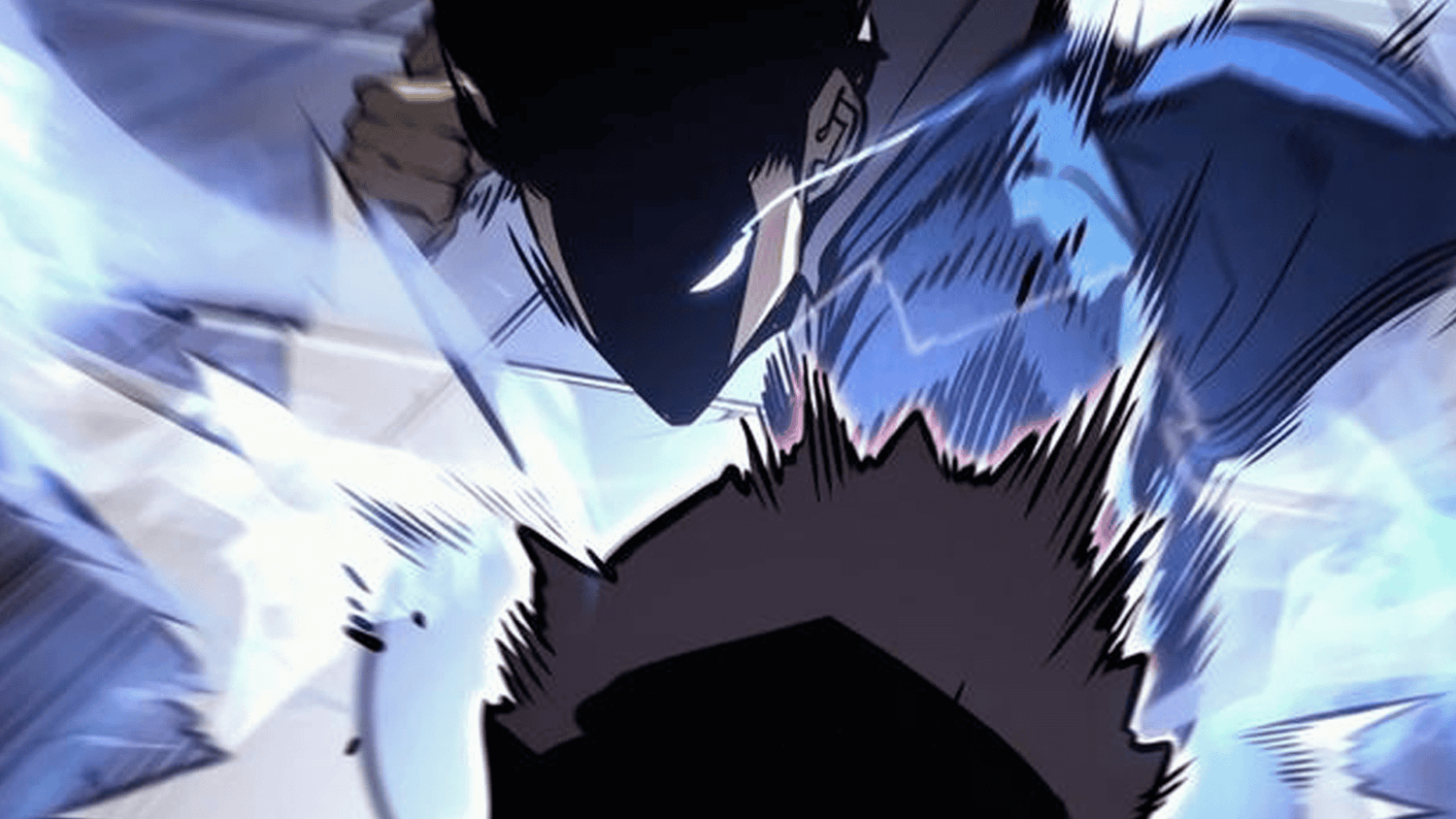
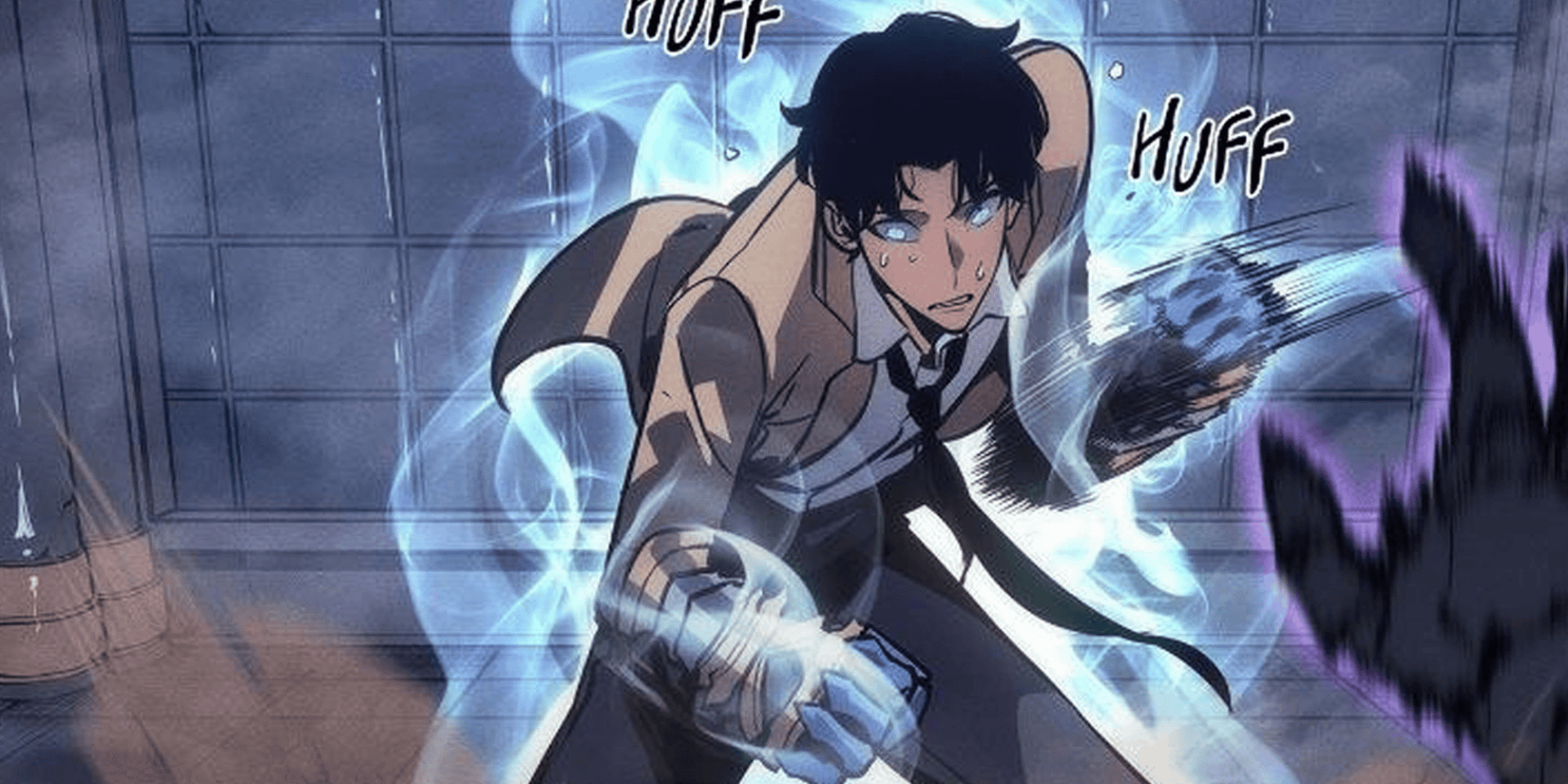
The action sequences in Ragnarok are, arguably, even more dynamic and visually spectacular than those in the original series. Webtoon technology and artistic techniques have continued to advance, allowing for even more fluid animation-like movement within static panels, more impactful rendering of special effects, and a greater sense of kinetic energy. The fight choreography is intricate and easy to follow, even in the midst of fast-paced action, effectively conveying the power and speed of the combatants. The use of paneling, perspective, and visual effects is masterful, drawing the reader’s eye and immersing them in the heart of the action. The visual storytelling in Ragnarok is not merely supplementary to the narrative; it is an integral part of the storytelling itself, enhancing the emotional impact, amplifying the tension, and delivering a truly immersive reading experience.
Furthermore, the environmental art in Ragnarok showcases a continued commitment to detail and world-building. Dungeon environments are rendered with a sense of depth and atmosphere, conveying the oppressive and often dangerous nature of these otherworldly spaces. Cityscapes and outdoor environments are equally detailed, grounding the fantasy elements within a visually believable world. The use of color, lighting, and shading is sophisticated, creating mood and atmosphere and further enhancing the visual appeal of the series. The artistic evolution evident in Ragnarok is not a radical departure from the original, but rather a natural progression, building upon the established visual foundation and pushing the boundaries of webtoon artistry to deliver an even more visually stunning and immersive reading experience. This commitment to visual excellence ensures that Ragnarok remains a feast for the eyes, captivating readers with its artistry as much as with its narrative.
Beyond Power Levels: Thematic Resonance in Ragnarok
While Solo Leveling undeniably thrived on its power-scaling mechanics and adrenaline-fueled action, its enduring appeal also stemmed from its underlying thematic resonance. Themes of perseverance, overcoming adversity, and the intoxicating allure of self-improvement resonated deeply with readers, providing an emotional anchor amidst the fantastical elements. Solo Leveling: Ragnarok, while retaining the power-fantasy DNA, appears to be subtly expanding upon the thematic landscape, exploring new dimensions of human experience within the established framework of the hunter world. This thematic evolution is crucial for the sequel to carve its own distinct identity and to offer a narrative experience that is both familiar and fresh.
The theme of legacy, naturally, takes center stage in Ragnarok. Sung Suho’s journey is intrinsically intertwined with the legacy of his father, Sung Jinwoo. He is not merely an individual striving for power in a vacuum; he is the son of a legend, bearing the weight of expectation and the inherent comparisons to his father’s extraordinary achievements. This exploration of legacy allows Ragnarok to delve into complex questions of identity, inheritance, and the pressures of living in the shadow of greatness. Suho’s struggle to forge his own path, to define himself beyond his father’s accomplishments, and to grapple with the responsibilities that come with his lineage forms a compelling thematic core, offering a more nuanced exploration of character and motivation than pure power-seeking alone.
Familial bonds, particularly the father-son dynamic, are also emerging as a prominent thematic thread in Ragnarok. While Sung Jinwoo’s paternal role in the original series was relatively limited, Ragnarok places the father-son relationship between Jinwoo and Suho at the forefront, albeit in a somewhat unconventional manner given Jinwoo’s ascended state. The echoes of Jinwoo’s presence, his influence on Suho’s life, and the lingering impact of his actions on the world at large create a palpable sense of familial connection, even in his physical absence. Exploring the complexities of this unique father-son dynamic, the unspoken expectations, and the subtle influences that shape Suho’s journey can add emotional depth and thematic richness to the narrative, moving beyond the purely action-oriented focus of the original.
Furthermore, Ragnarok hints at exploring broader societal themes within the hunter world. The original series touched upon societal hierarchies, the role of hunters in society, and the potential for corruption and exploitation within the system. Ragnarok appears poised to delve deeper into these societal complexities, exploring the geopolitical ramifications of Jinwoo’s actions, the evolving power dynamics within the hunter world, and the potential for new forms of societal conflict and inequality to emerge. This exploration of broader societal themes can add layers of complexity and relevance to the narrative, elevating Ragnarok beyond a purely personal power fantasy and positioning it as a narrative that engages with larger social and political undercurrents. By expanding upon the thematic resonance of the original and introducing new thematic dimensions, Ragnarok aims to offer a narrative experience that is not only visually spectacular and action-packed but also thematically rich and emotionally engaging, ensuring its enduring appeal to both returning fans and new readers.
The Verdict So Far: Ragnarok’s Trajectory
In the nascent stages of its narrative journey, Solo Leveling: Ragnarok presents a compelling, albeit still developing, case for its own merit within the expansive landscape of webtoon fantasy. It is not merely a derivative echo of its predecessor, but rather a conscious evolution, inheriting the core strengths of Solo Leveling while subtly carving its own distinct identity. The visceral action sequences, the dynamic art style, and the meticulously crafted world-building remain vibrantly intact, ensuring that the foundational elements that captivated millions are readily present. Furthermore, Ragnarok demonstrates a willingness to innovate, introducing a new protagonist with his own unique challenges and aspirations, shifting the thematic emphasis towards legacy and familial bonds, and hinting at a deeper exploration of the societal complexities within the hunter world.
However, Ragnarok is not without its areas for potential growth. The characterization of Sung Suho, while promising, requires further development to fully escape the shadow of his legendary father and establish his own compelling emotional core. The narrative pacing, while deliberate in its early stages, must maintain momentum and avoid stagnation as the story progresses. And the specter of originality, inherent in any sequel, necessitates a continued commitment to innovation and the exploration of uncharted narrative territories within the Solo Leveling universe. These are not insurmountable challenges, but rather points of consideration that, if addressed with diligence and creativity, could elevate Ragnarok from a competent continuation to a truly exceptional narrative entity.
Ultimately, the question of whether Ragnarok is “as good as” the original Solo Leveling is, at this juncture, premature and perhaps ultimately reductive. Each series possesses its own distinct strengths and narrative aims. Solo Leveling was a groundbreaking phenomenon, a power fantasy executed with exceptional artistry and compelling character development. Ragnarok is embarking on its own journey, inheriting the legacy of its predecessor but striving to forge its own path, explore new thematic territories, and establish its own distinct narrative voice. The early signs are promising. Ragnarok possesses the potential to not only satisfy the fervent fanbase of Solo Leveling but also to attract a new generation of readers with its own unique blend of action, fantasy, and thematic depth. Whether it will fully realize this potential remains to be seen, but the initial chapters offer a compelling glimpse into a world brimming with possibilities, a world where the shadow of the father may yet give rise to a new dawn of leveling brilliance.

As Solo Leveling: Ragnarok continues its unfolding narrative, the global community of fans watches with bated breath, eager to witness whether the son can indeed ascend to heights comparable to, or even surpassing, the legendary stature of his father. The journey of Sung Suho is just beginning, and the vast, intricate world of Solo Leveling, teeming with untold stories and lurking shadows, awaits his ascendance.