

In the vast and vibrant landscape of contemporary anime, where narratives unfold with breathtaking visuals and characters resonate with audiences globally, certain series transcend mere entertainment to become cultural phenomena. Among these luminaries, Demon Slayer: Kimetsu no Yaiba stands as a towering example, captivating millions not only with its poignant storyline and compelling characters but also, and perhaps most significantly, with its revolutionary approach to action sequences. The anime, adapted from Koyoharu Gotouge’s manga, has indelibly etched itself into the annals of animation history, primarily due to its groundbreaking fight choreography – a meticulously crafted ballet of motion, emotion, and visual dynamism that elevates the standard for action storytelling in the medium.
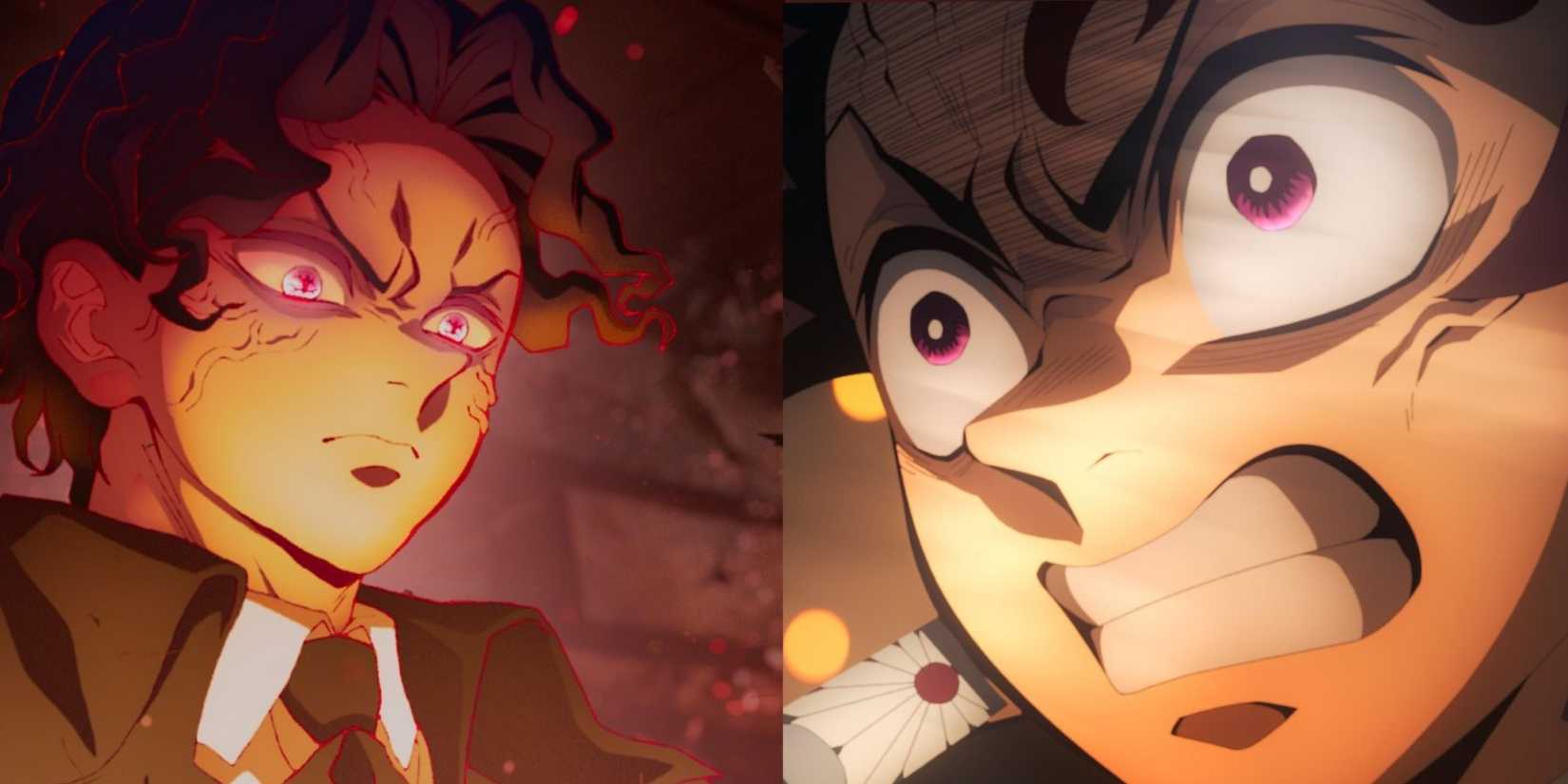
To merely label Demon Slayer’s fight scenes as “well-animated” would be a profound understatement, akin to describing a Da Vinci masterpiece as “a nice painting.” The combat sequences are not simply animated; they are orchestrated with an unparalleled level of artistry, precision, and a profound understanding of visual storytelling. Each clash of blades, each surge of elemental power, is a meticulously planned and executed spectacle, designed not only to thrill but also to deepen the narrative, reveal character nuances, and evoke a visceral emotional response from the viewer. This is not gratuitous action; it is action imbued with purpose, meaning, and a profound sense of aesthetic beauty.
Ufotable’s Mastery: A Symphony of 2D and 3D Animation
Central to the acclaim garnered by Demon Slayer’s fight choreography is the studio responsible for its animation: Ufotable. Renowned for their distinctive style that seamlessly blends traditional 2D animation with cutting-edge 3D computer graphics imagery (CGI), Ufotable has, with Demon Slayer, reached the zenith of their artistic and technical capabilities. Their approach transcends the typical pitfalls of CGI in anime, often criticized for appearing jarring or detached from the traditionally animated elements. Instead, Ufotable has pioneered a synergistic fusion, where 2D and 3D components are interwoven to create a visually cohesive and breathtaking tapestry.
The utilization of 3D animation in Demon Slayer is not merely for convenience or cost-effectiveness; it is a deliberate artistic choice that enhances the dynamism and visual complexity of the fight sequences. Backgrounds, often rendered in intricate 3D, possess a depth and parallax that imbue scenes with a sense of scale and immersion rarely witnessed in 2D-centric anime. Furthermore, the fluid camera movements that characterize Demon Slayer’s action – sweeping arcs, rapid zooms, and dramatic rotations – are facilitated and amplified by the flexibility afforded by 3D animation techniques. These camera movements are not arbitrary flourishes; they are carefully considered directorial choices that heighten the kinetic energy of the fights, drawing the viewer deeper into the heart of the action and mirroring the intensity of the combatants’ struggle.
However, the true genius of Ufotable’s approach lies in their masterful integration of 2D animation for character movements and combat actions. The characters themselves, rendered with expressive 2D linework, retain the emotive depth and nuanced physicality that are hallmarks of traditional animation. When characters engage in combat, their movements are imbued with a palpable weight and impact, thanks to the meticulous attention to detail in depicting muscle contractions, fabric flow, and the sheer force of each strike. The animators at Ufotable demonstrate a profound understanding of biomechanics and kinetic energy, translating these principles into visually stunning and believable action sequences. This is not simply drawing; it is the artful representation of motion itself.
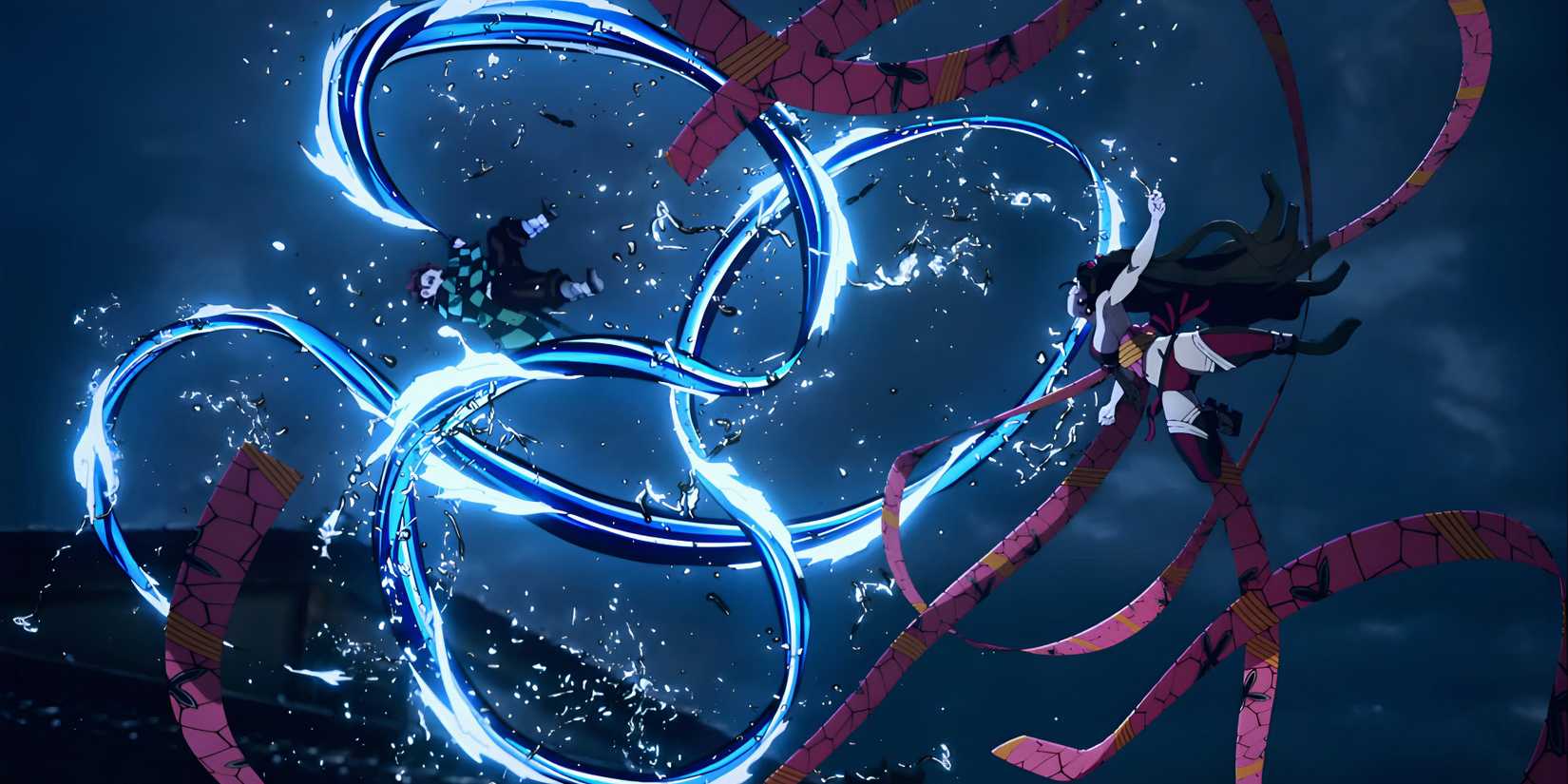
The signature visual element that has become synonymous with Demon Slayer’s fight choreography is the breathtaking depiction of elemental breathing techniques. These techniques, central to the combat system of the series, are visualized with a mesmerizing blend of 2D and 3D effects. Water Breathing, Thunder Breathing, Flame Breathing, and the myriad other styles are not merely abstract concepts; they are rendered as tangible, visually arresting manifestations of elemental power. Water takes the form of serpentine dragons and torrential waves, flames erupt in incandescent plumes, and lightning crackles with electrifying intensity – all rendered with a level of detail and visual fidelity that is simply unparalleled.
These elemental effects are not superimposed onto the animation as afterthoughts; they are meticulously integrated into the very fabric of the fight choreography. They interact dynamically with the characters and the environment, casting dramatic lighting, creating visual trails that emphasize movement, and adding an extra layer of spectacle to each attack. The visual language employed is rich and evocative, drawing upon a deep understanding of color theory, composition, and the principles of animation to create scenes that are not only action-packed but also aesthetically breathtaking. The fights in Demon Slayer are, in essence, moving paintings, each frame a testament to the dedication and artistry of the animation team.
The Anatomy of a Demon Slayer Fight: Deconstructing Choreographic Brilliance
To truly appreciate the brilliance of Demon Slayer’s fight choreography, it is crucial to delve deeper into the specific elements that contribute to its effectiveness. It is not merely the visual spectacle that captivates audiences; it is the intricate interplay of various choreographic components, working in harmonious concert to create a truly immersive and emotionally resonant experience. These components can be broadly categorized into several key areas: fluidity of motion, impact and weight, stylistic diversity, narrative integration, and emotional resonance.
**Fluidity of Motion:** One of the most immediately striking aspects of Demon Slayer’s fight choreography is its unparalleled fluidity. Movements flow seamlessly from one action to the next, creating a sense of continuous, unbroken motion that mirrors the agility and speed of the demon slayers. This fluidity is not simply a matter of animating a high frame rate; it is a carefully crafted illusion of motion, achieved through meticulous keyframing, in-betweening, and a deep understanding of human and inhuman kinetics. Characters move with a grace and precision that is both realistic and fantastical, their bodies contorting and flowing in ways that are both visually stunning and believable within the context of the anime’s world. This fluidity extends not only to character movements but also to camera movements, creating a dynamic and engaging viewing experience.
**Impact and Weight:** Equally important to the fluidity of motion is the conveyance of impact and weight. In Demon Slayer, attacks are not merely visually flashy; they possess a palpable sense of force and consequence. When a blade strikes, or a fist connects, the animation effectively communicates the weight and power behind the blow. This is achieved through a combination of techniques, including motion blur, screen shake, impact frames (brief moments of exaggerated deformation or visual emphasis), and sound design. The animators meticulously depict the ripple effects of impacts, the deformation of surfaces, and the recoil of bodies, all contributing to a visceral sense of physicality. This emphasis on impact ensures that each attack feels meaningful and consequential, raising the stakes of each fight and immersing the viewer in the intensity of the combat.
**Stylistic Diversity:** Demon Slayer’s choreography is further enriched by its stylistic diversity, reflecting the varied breathing techniques employed by the demon slayers. Each breathing style – Water, Flame, Thunder, Insect, Wind, Stone, Love, Serpent, Mist, Sound, Flower, Beast, Sun (Hinokami Kagura), and more – is not merely a name; it is a distinct combat philosophy, manifested in unique movement patterns, attack styles, and visual aesthetics. Water Breathing, for instance, is characterized by flowing, adaptable movements, mirroring the fluidity of water itself. Flame Breathing, conversely, emphasizes powerful, explosive attacks, reflecting the destructive nature of fire. Thunder Breathing prioritizes speed and lightning-fast strikes, while Insect Breathing incorporates swift, precise movements and the use of poison.
This stylistic diversity extends beyond the breathing techniques themselves. Each character, even within the same breathing style, possesses a unique fighting style, reflecting their individual personalities, strengths, and weaknesses. Tanjiro’s Water Breathing, while fundamentally adhering to the style’s principles, is distinct from Giyu Tomioka’s, reflecting their different approaches to combat and their individual character arcs. This attention to stylistic nuance ensures that each fight is visually distinct and engaging, preventing monotony and showcasing the breadth and depth of the Demon Slayer universe’s combat system.
**Narrative Integration:** Perhaps the most crucial element that elevates Demon Slayer’s fight choreography beyond mere spectacle is its seamless integration with the narrative. The fights are not isolated set pieces; they are integral to the storytelling, driving the plot forward, revealing character development, and deepening the emotional impact of the narrative. Each fight is imbued with narrative purpose, serving to advance the story, explore character relationships, or highlight thematic elements.
For instance, Tanjiro’s battles against demons are not simply contests of strength; they are often tests of his resolve, his compassion, and his growing understanding of the demon world. His fights against Lower and Upper Moon demons serve as crucial milestones in his journey, each victory or setback contributing to his growth as a demon slayer and as a person. The choreography itself reflects this narrative integration. The desperation in Tanjiro’s movements, the strategic thinking he employs, and the emotional turmoil he experiences are all visually communicated through the fight choreography, making the battles emotionally engaging and narratively significant.
Furthermore, fight scenes are frequently used to reveal character dynamics and relationships. The synchronized combat of Tanjiro and Nezuko, the contrasting styles of Zenitsu and Inosuke, and the collaborative efforts of the Hashira all serve to illuminate the bonds between characters and their individual strengths and weaknesses. The choreography becomes a visual language, conveying subtext and emotional nuances that might otherwise be relegated to dialogue or exposition. In Demon Slayer, action speaks louder than words, and the fight choreography is a powerful tool for narrative expression.
**Emotional Resonance:** Ultimately, the true power of Demon Slayer’s fight choreography lies in its ability to evoke a profound emotional response from the viewer. The fights are not just visually impressive; they are emotionally resonant, tapping into a range of feelings – excitement, tension, fear, sadness, hope, and catharsis. This emotional resonance is achieved through a multifaceted approach, encompassing visual storytelling, character animation, music, sound design, and pacing.
The visual storytelling itself is deeply emotive. The animation effectively conveys the characters’ emotions through their facial expressions, body language, and the sheer intensity of their movements. Close-ups on characters’ faces during moments of struggle, pain, or determination amplify the emotional impact of the fight. The use of slow-motion, dramatic pauses, and evocative visual metaphors further enhances the emotional weight of key moments. The animators understand that action is not simply physical; it is deeply intertwined with emotion, and they skillfully translate this understanding into the visual language of the fight choreography.
The accompanying music and sound design play a crucial role in amplifying the emotional resonance of the fight scenes. Epic orchestral scores, punctuated by driving percussion and soaring melodies, heighten the sense of drama and scale. Sound effects are meticulously crafted to convey the impact of blows, the whoosh of blades, and the crackle of elemental powers, immersing the viewer in the sensory experience of combat. The synergy between visual and auditory elements creates a powerful emotional feedback loop, drawing the viewer deeper into the heart of the action and amplifying the emotional impact of each fight.
The Impact and Legacy of Demon Slayer’s Choreography
The groundbreaking fight choreography of Demon Slayer has not only captivated audiences worldwide but has also had a significant impact on the anime industry and the broader landscape of action storytelling in animation. Its success has raised the bar for action sequences in anime, inspiring other studios and creators to strive for greater levels of visual fidelity, choreographic complexity, and narrative integration in their own works. Demon Slayer has demonstrated that action anime can be more than just spectacle; it can be a powerful form of visual storytelling, capable of conveying complex emotions, driving narrative momentum, and achieving a profound artistic impact.
One of the most significant impacts of Demon Slayer’s choreography is its influence on the visual language of action anime. The seamless blending of 2D and 3D animation, the dynamic camera work, the detailed depiction of elemental effects, and the emphasis on fluidity and impact have all become hallmarks of Demon Slayer’s style, and these elements are increasingly being adopted and adapted by other anime productions. The success of Demon Slayer has demonstrated the potential of these techniques to elevate action sequences to new heights of visual and emotional impact, and the industry is taking notice.
Furthermore, Demon Slayer has arguably contributed to a renewed appreciation for the artistry of fight choreography in animation. While action has always been a popular genre in anime, Demon Slayer has brought a new level of critical attention to the craft of animating fight scenes. Fans and critics alike have lauded the series for its meticulous attention to detail, its innovative visual techniques, and its ability to seamlessly integrate action with narrative and character development. This increased appreciation for fight choreography as an art form is a significant legacy of Demon Slayer, potentially leading to greater investment and innovation in this area of animation in the future.
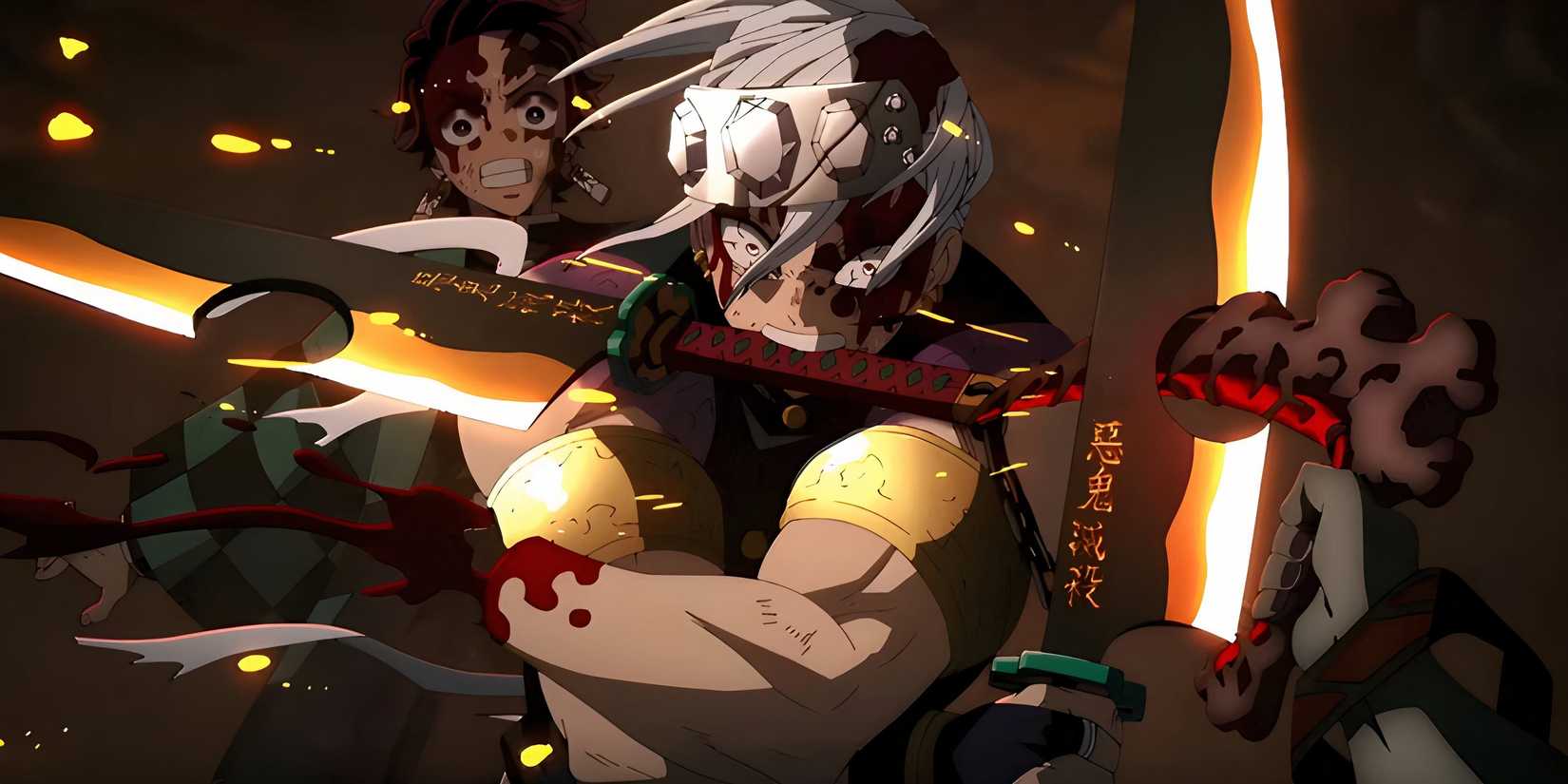
Beyond the anime industry, Demon Slayer’s impact extends to the broader cultural sphere. The series has become a global phenomenon, transcending language barriers and cultural differences to resonate with audiences across the world. Its fight choreography, in particular, has become a key element of its appeal, captivating viewers with its visual spectacle and emotional intensity. Demon Slayer has introduced a new generation of viewers to the artistry and excitement of anime action, and its influence is likely to be felt for years to come.
Conclusion: A Masterclass in Animated Combat
In conclusion, Demon Slayer: Kimetsu no Yaiba stands as a monumental achievement in the realm of anime fight choreography. Ufotable’s masterful animation, combined with a deep understanding of visual storytelling principles and a commitment to emotional resonance, has created action sequences that are not only visually stunning but also narratively meaningful and emotionally impactful. The fluidity of motion, the conveyance of impact and weight, the stylistic diversity, the narrative integration, and the emotional resonance all coalesce to create a holistic and breathtaking viewing experience. Demon Slayer’s fight choreography is not merely action for action’s sake; it is a meticulously crafted art form, a ballet of blades and elemental powers that elevates the standard for action storytelling in anime and beyond. It is a testament to the power of animation to move, thrill, and deeply resonate with audiences, solidifying Demon Slayer’s place as a landmark series in the history of anime. The series has effectively redefined what is possible in action animation, leaving an indelible mark on the industry and inspiring future generations of animators and storytellers to reach for new heights of visual and narrative excellence.
The legacy of Demon Slayer’s fight choreography is not just in its visual brilliance but in its demonstration of how action sequences can be seamlessly interwoven with narrative and emotion to create a truly immersive and unforgettable viewing experience. It serves as a potent reminder that action, when executed with artistry and purpose, can be a powerful language in its own right, capable of conveying complex ideas, exploring profound themes, and forging deep connections with audiences worldwide. Demon Slayer has, in essence, breathed new life into the art of animated combat, setting a new gold standard for visual storytelling in the medium and ensuring its place as a cornerstone of modern anime for years to come.