
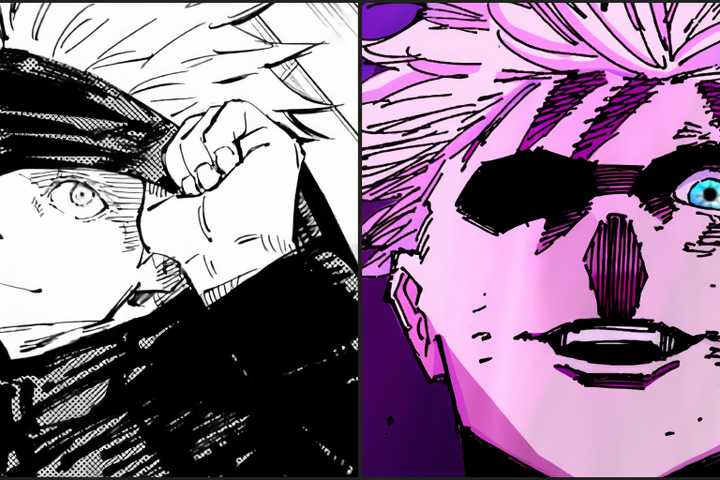
The world of Jujutsu Kaisen, a dark fantasy epic meticulously crafted by Gege Akutami, has captivated global audiences with its intricate power system, compelling characters, and relentless narrative momentum. However, even within critically acclaimed works, moments of contentious reception and narrative discord can arise, and few instances in recent anime and manga history have ignited as much fervent debate and divided opinion as the denouement of Satoru Gojo, arguably the series’ most iconic and powerful figure. While narrative subversion and character mortality are intrinsic components of compelling storytelling, the manner in which Gojo’s arc concluded has left a significant segment of the fanbase feeling not only bereaved but also narratively disenfranchised, arguing that a crucial element of Jujutsu Kaisen‘s narrative tapestry was carelessly unraveled.
Gojo Satoru, the self-proclaimed “strongest sorcerer,” was not merely a character within Jujutsu Kaisen; he was an institution, a linchpin of the narrative, and a symbol of overwhelming power and enigmatic charisma. His presence permeated the series from its inception, establishing a benchmark of strength against which all other characters, both heroes and villains, were measured. To many, Gojo was more than just a protagonist; he was a reassuring constant, a figure whose seemingly insurmountable power offered a sense of security within the often-bleak and perilous world of curses and sorcerers. Therefore, the manner of his departure, and the perceived narrative justifications underpinning it, have been subjected to intense scrutiny, with many arguing that Gege Akutami, in his handling of Gojo’s fate, inadvertently undermined the very foundations of the narrative he had so meticulously constructed.
An Anticlimactic Exit: The Nature of Gojo’s Defeat
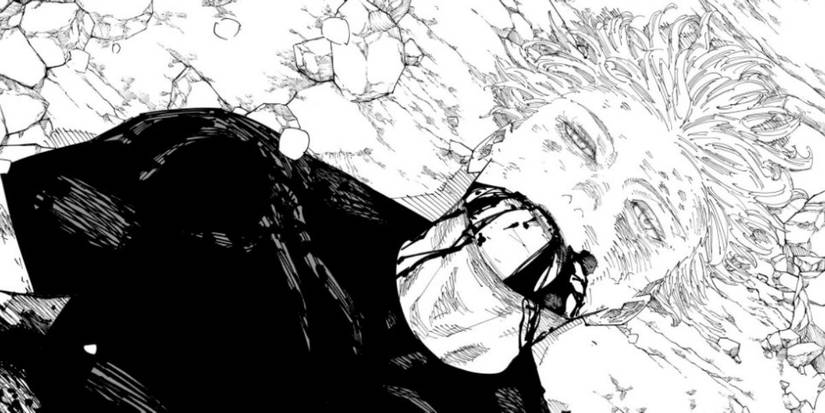
The primary source of contention surrounding Gojo’s ending stems not from the fact of his defeat itself, but rather from the perceived anticlimactic and narratively unsatisfying manner in which it was executed. The long-awaited confrontation between Gojo and Ryomen Sukuna, the undisputed King of Curses, was built up as an epochal clash, a battle that would not only determine the fate of the Jujutsu world but also serve as a culmination of the series’ escalating power dynamics. However, the actual resolution of this conflict, particularly Gojo’s demise, was perceived by many as abrupt, off-screen, and ultimately undermining of the narrative buildup that preceded it.
The off-screen nature of Gojo’s final moments, revealed through dialogue rather than depicted visually, robbed the audience of a potentially impactful and emotionally resonant scene. For a character as visually dynamic and central to the series’ spectacle as Gojo, to have his defeat occur outside the reader’s direct purview felt like a narrative disservice. Furthermore, the explanation provided for his defeat, while technically consistent with the established power system of Jujutsu Kaisen, felt strategically contrived to many, a convenient mechanism to remove Gojo from the narrative without a truly earned or narratively satisfying confrontation.
The discourse surrounding Gojo’s ending frequently centers on the concept of “off-screen power-scaling.” While Sukuna’s ultimate technique, which ostensibly bypassed Gojo’s seemingly impenetrable Infinity, was explained through in-universe logic, its execution felt narratively abrupt and lacked the visceral impact that such a momentous defeat warranted. The fight, which had been hyped as a clash of titans, culminated not in a dramatic and protracted struggle, but in a swift and arguably unceremonious conclusion, leaving many readers feeling cheated of the catharsis and narrative closure they had anticipated.
Undermining Gojo’s Character: The Narrative Cost of Power Scaling
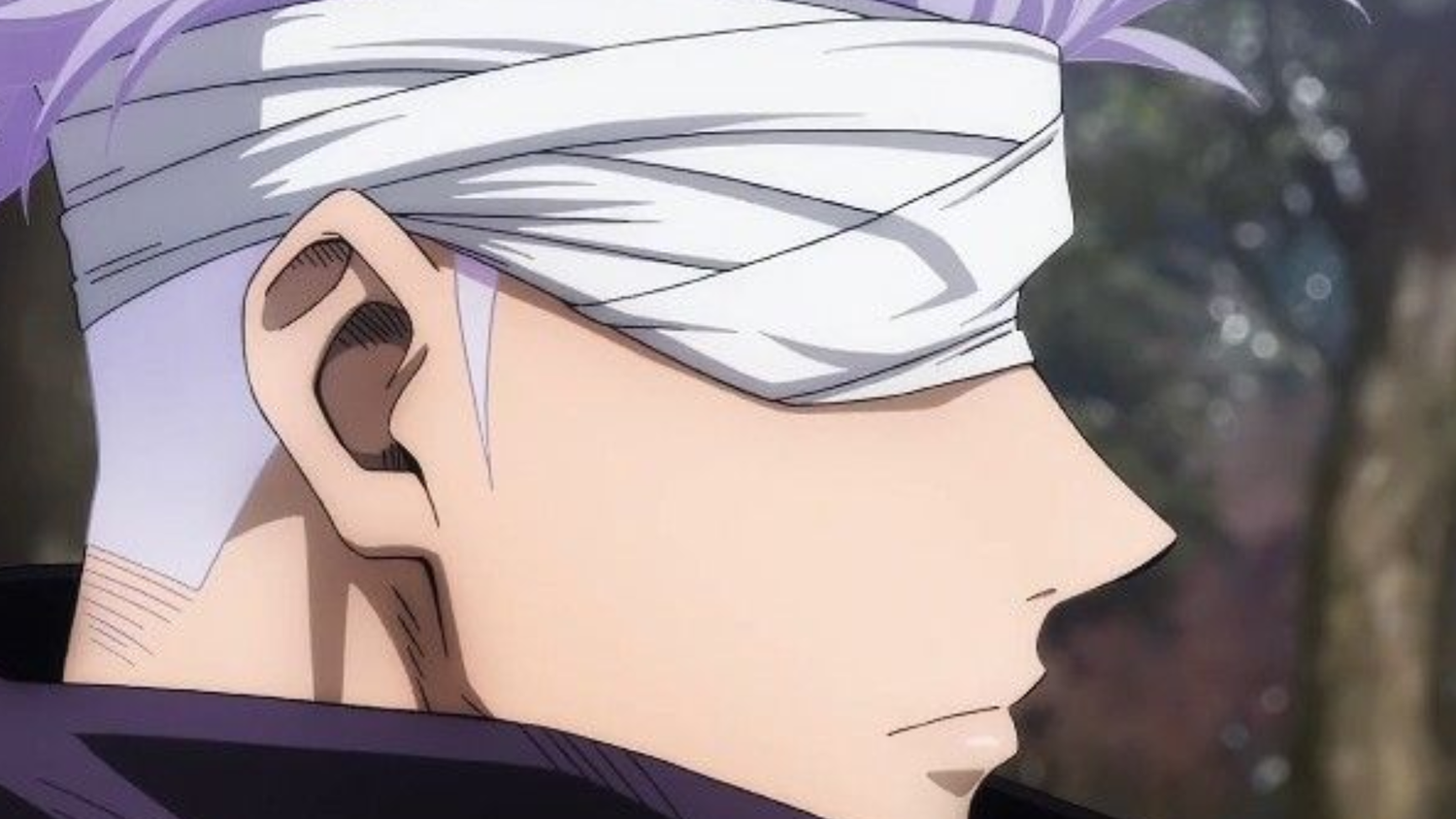
Beyond the anticlimactic nature of his defeat, criticisms of Gojo’s ending also extend to the perceived undermining of his character and established narrative role. Gojo was consistently portrayed as an anomaly, a being of unparalleled power who operated on a different plane from other sorcerers. His overwhelming strength was not merely a plot device; it was integral to his character, shaping his arrogance, his confidence, and his often-detached demeanor. To diminish or seemingly trivialize this established power, particularly in a manner perceived as narratively convenient, felt like a betrayal of the character’s established identity.
The narrative justification for Sukuna’s victory, while technically plausible within the rules of Jujutsu Kaisen‘s power system, relied on a technique that felt newly introduced and somewhat deus ex machina in nature. This reliance on a seemingly last-minute power-up for Sukuna, specifically designed to circumvent Gojo’s Infinity, further fueled the perception that Gojo’s defeat was less about earned narrative progression and more about strategically shifting the power balance of the story, potentially at the expense of character integrity.
Furthermore, Gojo’s final monologue, delivered in a purgatorial space after his defeat, while intended to provide closure and thematic resonance, was interpreted by some as out of character and tonally dissonant. His reflections on Sukuna and the nature of strength, while philosophically inclined, felt incongruous with his established personality and his previously unwavering confidence. This perceived shift in characterization, coupled with the anticlimactic nature of his defeat, contributed to a sense of narrative dissonance for many readers, leaving them feeling that Gojo’s ending did not adequately honor the character they had come to admire and invest in.
Fan Disillusionment and the Ripple Effects on the Narrative
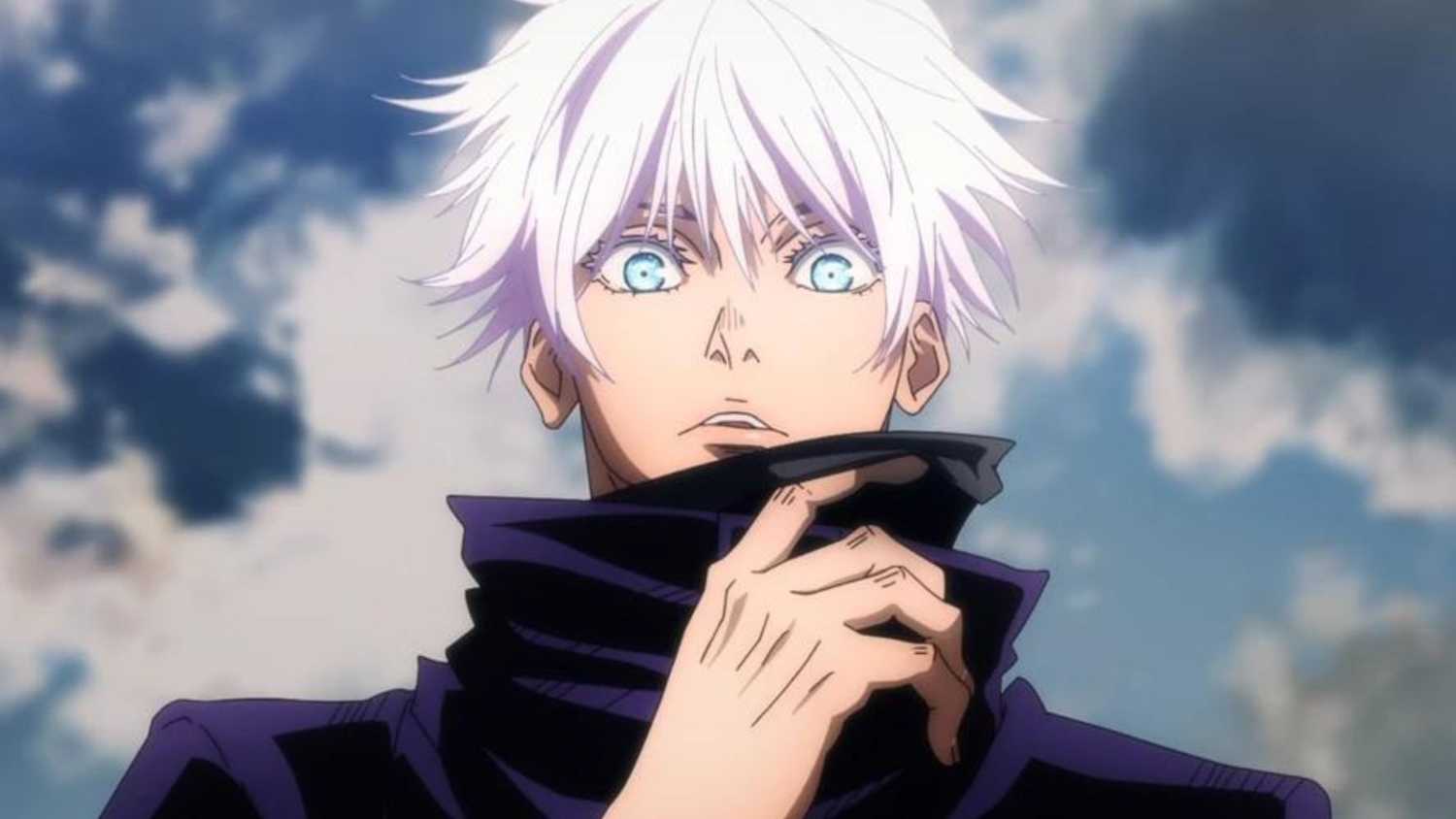
The widespread negative reaction to Gojo’s ending is not merely a matter of isolated fan grievances; it represents a significant point of narrative contention that has potentially impacted the overall perception of Jujutsu Kaisen‘s trajectory. The disillusionment expressed by a substantial portion of the fanbase stems from a feeling of narrative betrayal, a sense that the established rules and character dynamics of the series were manipulated to achieve a desired outcome, rather than organically evolving through consistent and narratively satisfying means.
The concept of “narrative investment” is crucial in understanding the intensity of fan reactions. Readers and viewers invest emotional energy and time in characters and storylines, forming expectations and developing a sense of ownership over the narrative. When a perceived narrative misstep occurs, particularly concerning a beloved and central character like Gojo, this investment can translate into feelings of disappointment, frustration, and even alienation. The backlash to Gojo’s ending is a testament to the deep emotional connection fans had forged with the character and the series as a whole.
The narrative ripple effects of Gojo’s ending extend beyond immediate fan reactions. Some argue that his departure diminishes the overall stakes of the narrative, removing a crucial element of tension and perceived security that Gojo’s presence provided. Furthermore, it potentially shifts the narrative focus away from established character dynamics and power structures, towards a less predictable and potentially less satisfying trajectory. The long-term consequences of Gojo’s ending on the overall reception and legacy of Jujutsu Kaisen remain to be seen, but the immediate impact has been undeniably significant and divisive.
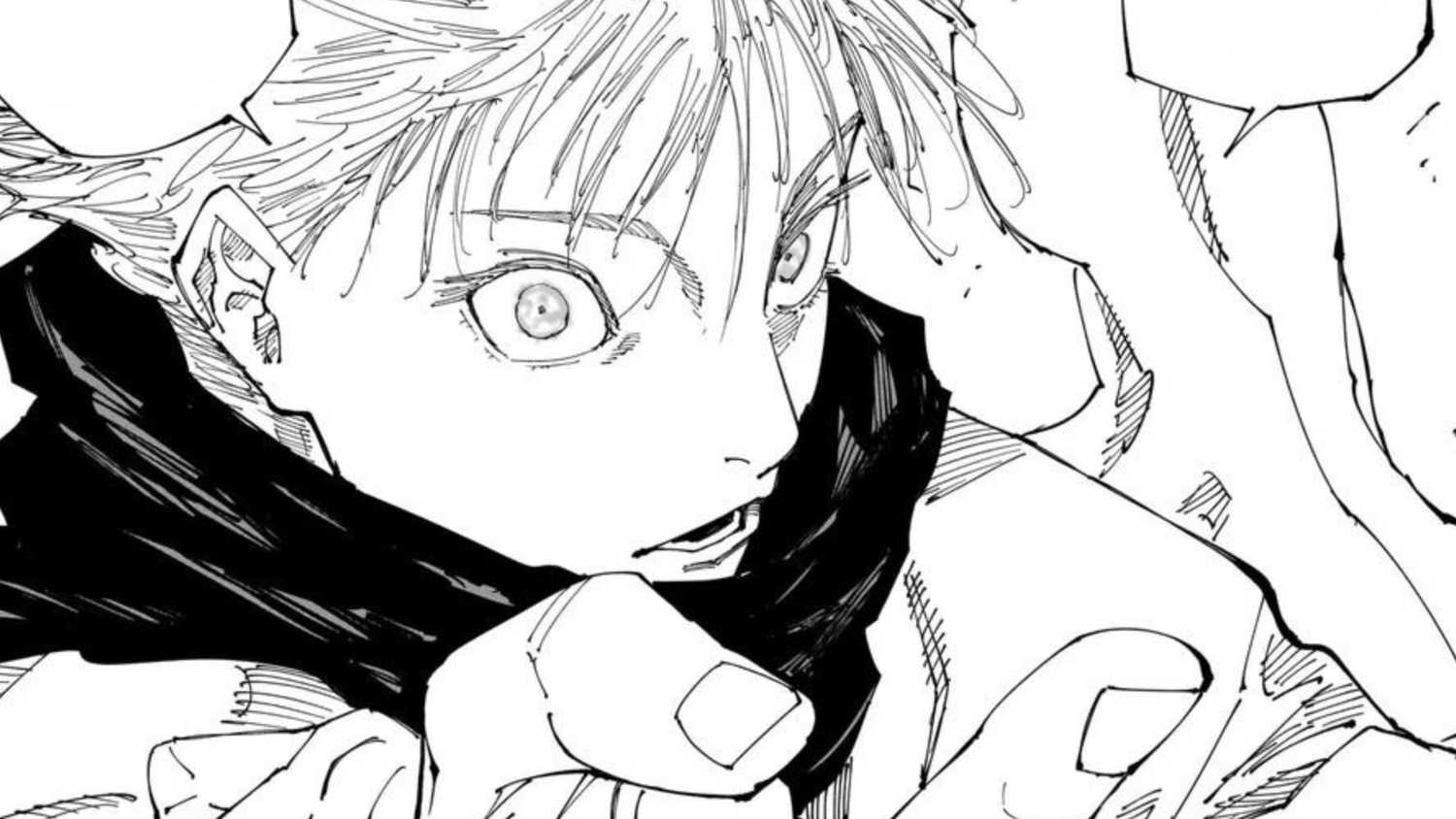
Exploring Alternative Narrative Paths: Missed Opportunities?
In the wake of Gojo’s controversial ending, many fans and narrative analysts have speculated on alternative narrative paths that could have been explored, potentially offering more satisfying and less contentious resolutions to his arc. These alternative scenarios often revolve around either a more protracted and visually depicted final battle with Sukuna, or a narrative arc that explored Gojo’s limitations and vulnerabilities in a more nuanced and character-driven manner, rather than through a seemingly abrupt and power-scaling driven defeat.
One potential alternative narrative could have involved a more prolonged and visually spectacular final battle between Gojo and Sukuna, showcasing the full extent of their powers and pushing both characters to their absolute limits. This approach would have provided the catharsis and visual spectacle that many fans anticipated, offering a more earned and narratively weighty conclusion to their rivalry. Furthermore, it could have allowed for more nuanced character development within the context of the fight, exploring their motivations, ideologies, and emotional states as they clashed in a battle of ultimate power.
Another alternative path could have focused on exploring Gojo’s vulnerabilities and limitations in a manner that was not solely predicated on power scaling. This could have involved a narrative arc where Gojo was forced to confront internal conflicts, grapple with his responsibilities as a mentor and protector, or face challenges that tested his character beyond mere physical strength. Such an approach could have offered a more nuanced and character-driven exploration of Gojo’s arc, potentially leading to a more emotionally resonant and thematically satisfying conclusion, even if it ultimately culminated in his defeat or departure from the narrative.
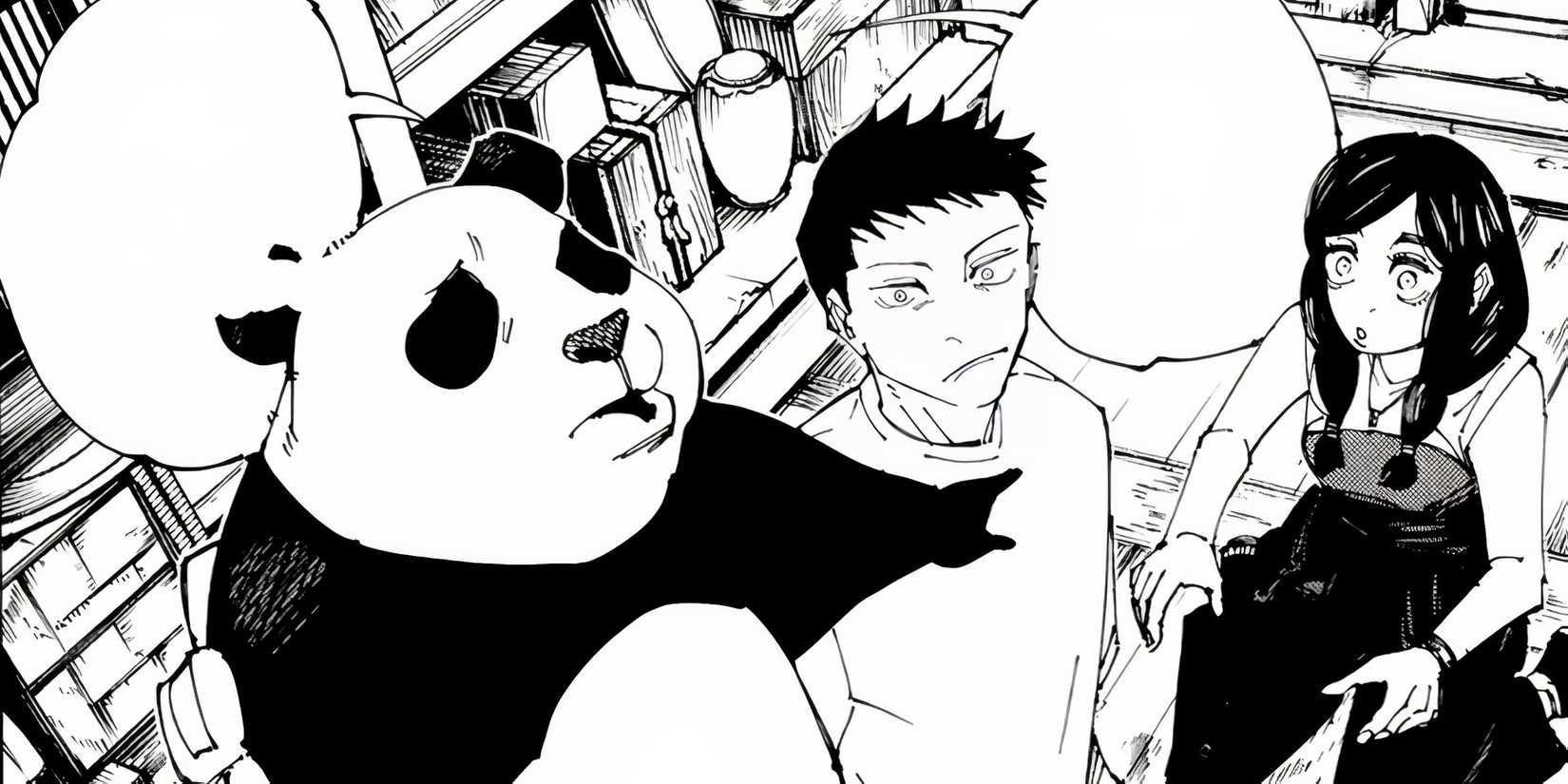
Thematic Implications and the Future of Jujutsu Kaisen
Despite the contentious reception of Gojo’s ending, Jujutsu Kaisen remains a narrative of considerable thematic depth and ongoing potential. The series continues to explore complex themes of mortality, sacrifice, the nature of strength, and the cyclical nature of conflict. While Gojo’s departure has undoubtedly shifted the narrative landscape, it also opens up new avenues for character development, thematic exploration, and narrative progression for the remaining cast.
The focus of the narrative may now pivot more definitively towards the younger generation of sorcerers, characters like Yuji Itadori, Megumi Fushiguro, and Yuta Okkotsu, who must now navigate a world irrevocably altered by Gojo’s absence and the ongoing conflict with Sukuna. This shift in focus could provide opportunities for these characters to step into more prominent roles, to develop their own strengths and ideologies, and to ultimately shape the future of the Jujutsu world in ways that were previously overshadowed by Gojo’s dominant presence.
Ultimately, the legacy of Gojo’s ending within Jujutsu Kaisen will be judged not only by immediate fan reactions but also by the narrative trajectory that unfolds in its aftermath. Whether Gege Akutami can effectively navigate the narrative challenges posed by Gojo’s departure and deliver a satisfying and thematically resonant conclusion to the series remains to be seen. However, the passionate and often critical discourse surrounding Gojo’s ending underscores the deep investment fans have in Jujutsu Kaisen and their unwavering desire for a narrative that honors the characters and world they have come to cherish.
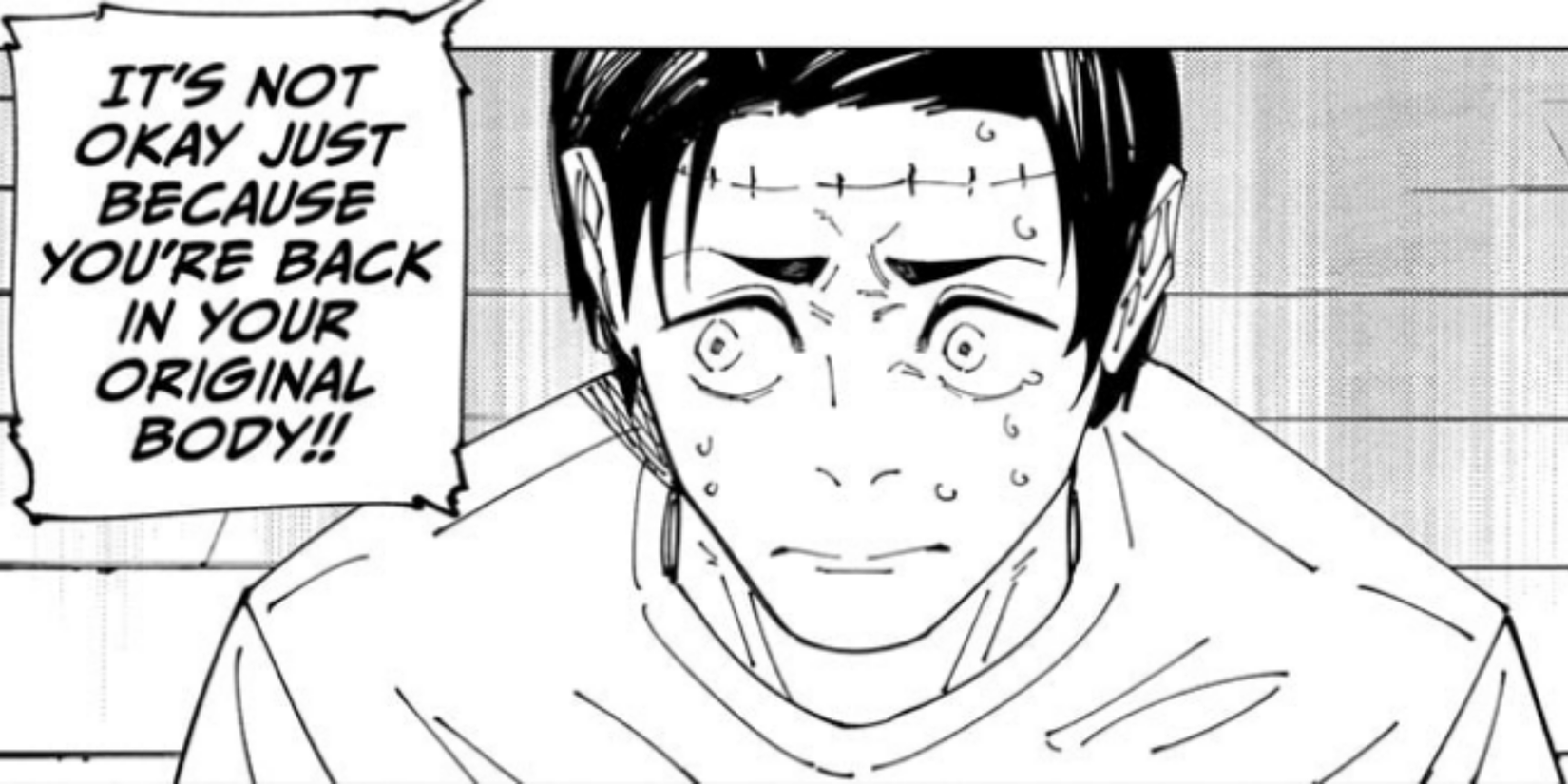
Conclusion: A Narrative Gamble with Divisive Consequences
Gojo Satoru’s ending in Jujutsu Kaisen represents a significant narrative gamble by Gege Akutami, one that has yielded undeniably divisive consequences within the fanbase. While narrative risks and character mortality are essential components of compelling storytelling, the manner in which Gojo’s arc concluded has been perceived by many as anticlimactic, undermining of his character, and ultimately detrimental to the overall narrative trajectory of the series.
The long-term impact of this narrative choice remains uncertain, but the immediate fallout serves as a potent reminder of the delicate balance between narrative subversion and audience expectation, between shock value and character integrity, and between strategic plot progression and emotionally resonant storytelling. Jujutsu Kaisen, despite this point of contention, remains a work of considerable merit and ongoing narrative potential. However, the legacy of Gojo’s ending will undoubtedly serve as a case study in the complexities of character arcs, fan investment, and the enduring power of narrative choices to shape the reception and lasting impact of a beloved series.