
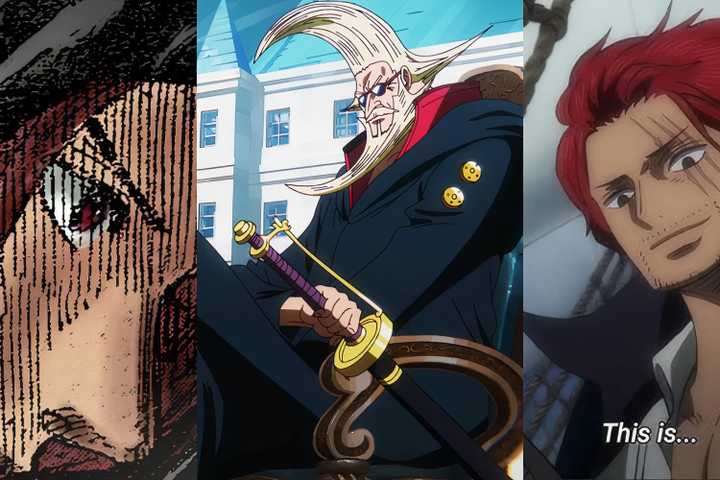
The intricate tapestry of One Piece, woven by the masterful hand of Eiichiro Oda, is characterized by its relentless expansion, constantly introducing new characters, factions, and mysteries that deepen the lore and intensify the narrative intrigue. Among the most captivating elements of this sprawling saga are the enigmatic figures who wield exceptional swordsmanship, their blades imbued with power, history, and often, profound narrative significance. Recent revelations in the manga have brought to the forefront a fascinating convergence of swords: those wielded by Figarland Garling, the celestial executioner; Shanks, the enigmatic Red-Haired Emperor; and the newly introduced Holy Knight, Shamrock. This confluence of blades, seemingly echoing a shared lineage or at the very least, a profound connection, has ignited fervent speculation within the One Piece fandom, prompting a deeper examination of their potential intertwined destinies and the implications for the overarching narrative.
The prominence of swords in One Piece transcends mere weaponry; they are imbued with symbolic weight, representing not only power and skill but also legacy, ideology, and the very soul of the swordsman. Characters like Zoro Roronoa, Dracule Mihawk, and Gol D. Roger have elevated swordsmanship to an art form, their blades becoming extensions of their will and testaments to their unwavering resolve. The emergence of Garling, Shanks, and Shamrock, each wielding distinct yet potentially related swords, adds another layer of complexity to this established tradition, hinting at a deeper, perhaps familial or ideological, connection that could reshape our understanding of the power dynamics and historical undercurrents within the One Piece world. Deciphering the nuances of their swords, their names, and their wielders, may hold the key to unlocking crucial secrets about the Celestial Dragons, the Holy Knights, and the true extent of Shanks’s enigmatic influence.
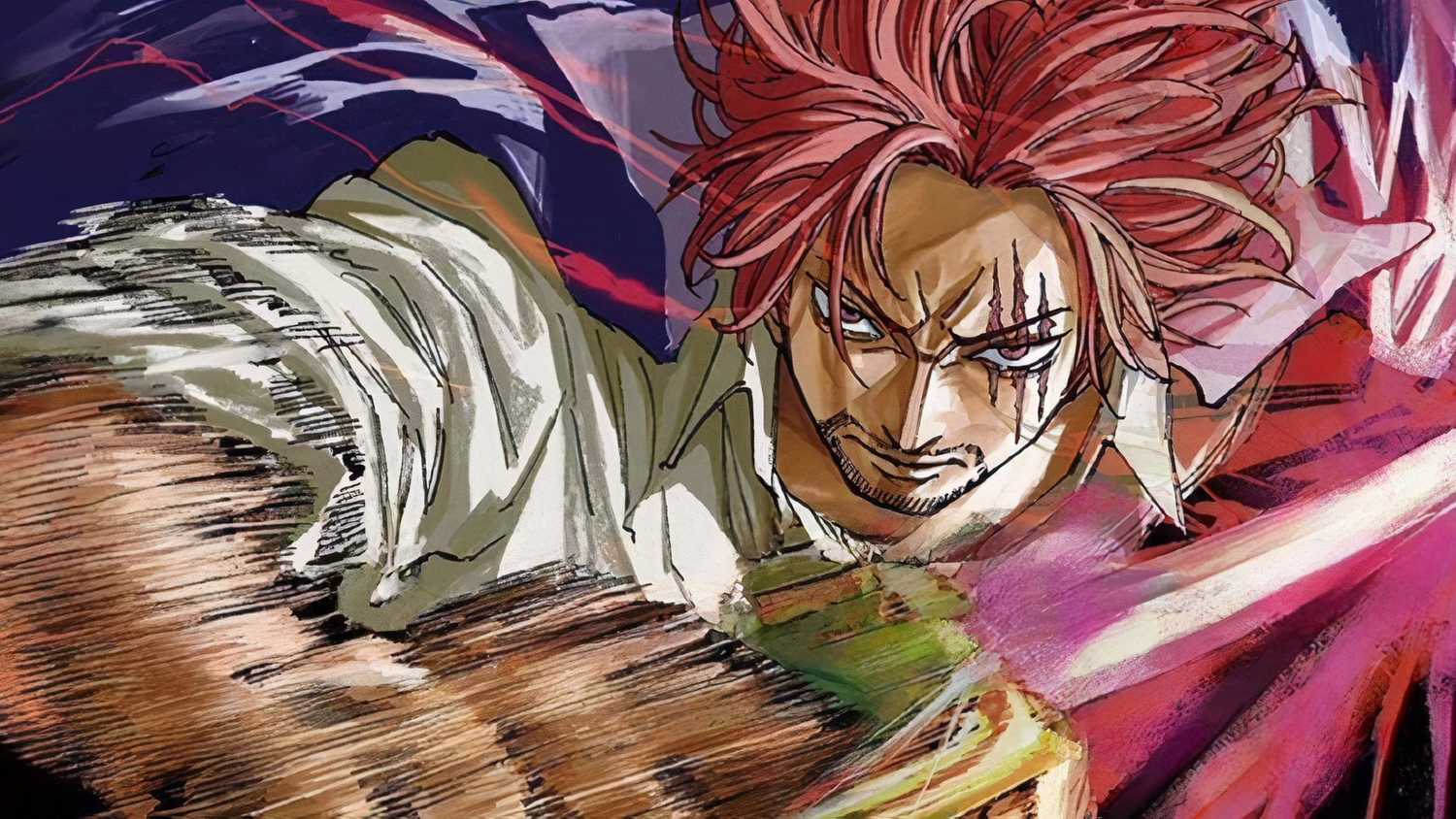
Gryphon, Shamrock, and the Shadow of Cerberus: A Triad of Blades?
At the heart of this burgeoning swordplay enigma lies a triad of blades, each bearing a name that resonates with mythical and symbolic undertones: Shanks’s renowned sword, Gryphon; the newly introduced Shamrock sword wielded by a Holy Knight; and the speculated, yet unconfirmed, name of Figarland Garling’s weapon, potentially Cerberus. While direct confirmation of Garling’s sword name remains elusive, the thematic connections and visual cues surrounding these characters strongly suggest a deliberate pattern, hinting at a deeper narrative link waiting to be unveiled.
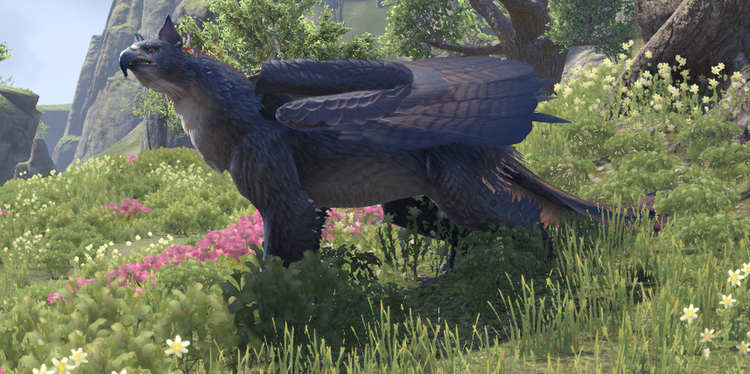
Gryphon, Shanks’s signature blade, is already steeped in lore and power, a weapon capable of clashing evenly with Whitebeard’s Murakumogiri and withstanding the might of Admirals. Its name, evoking the mythical creature embodying strength, vigilance, and guardianship, perfectly aligns with Shanks’s role as a powerful Emperor and a figure who maintains a delicate balance within the volatile world of pirates and world powers. The Shamrock sword, visually distinct yet thematically resonant, further deepens this connection. Shamrock, a symbol often associated with Ireland, luck, and particularly, the three-leaf clover representing the Holy Trinity in Christian symbolism, adds a layer of intrigue, hinting at a potential ‘holy’ or celestial connection, especially considering the Holy Knights’ allegiance to the Celestial Dragons.
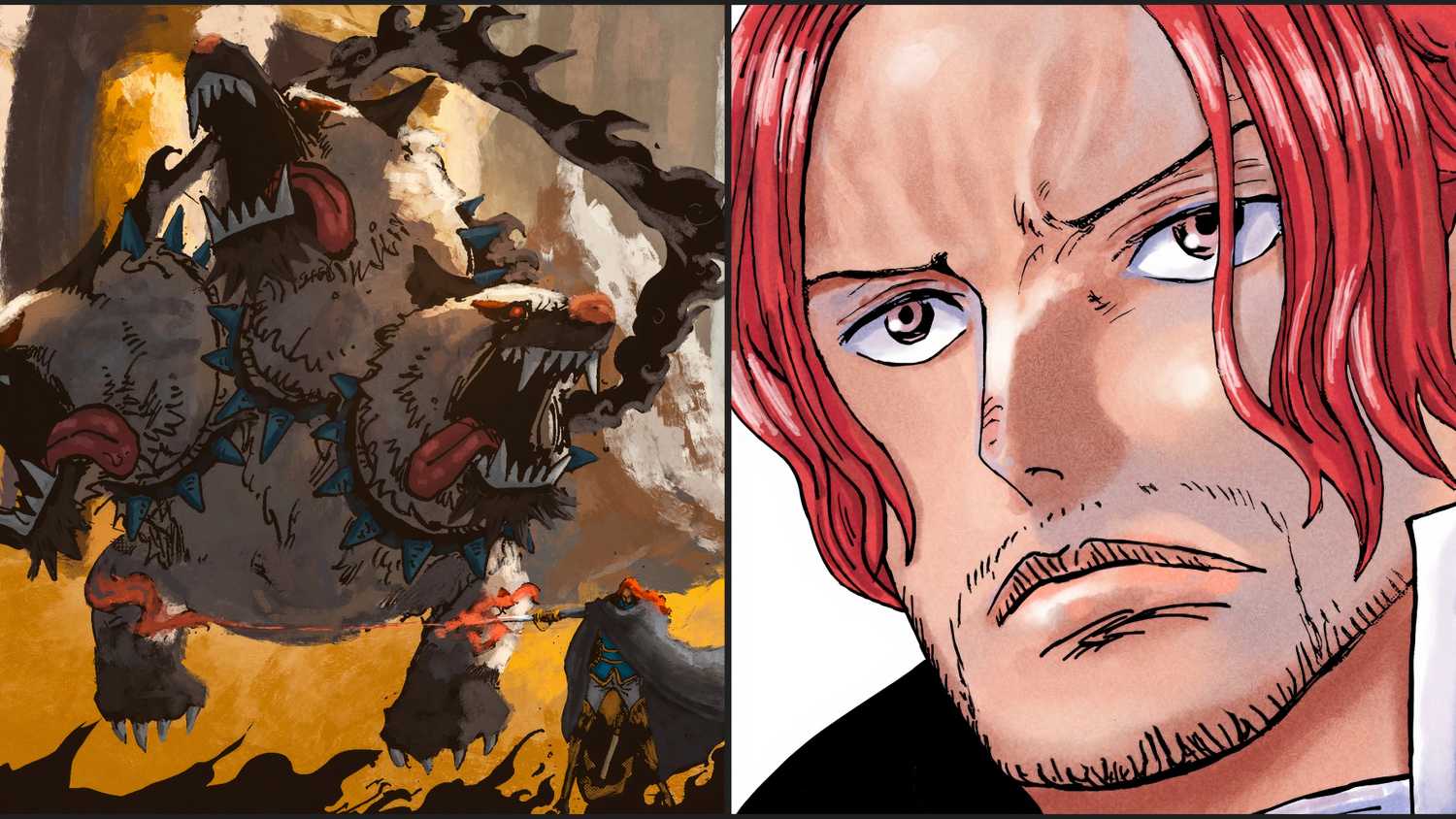
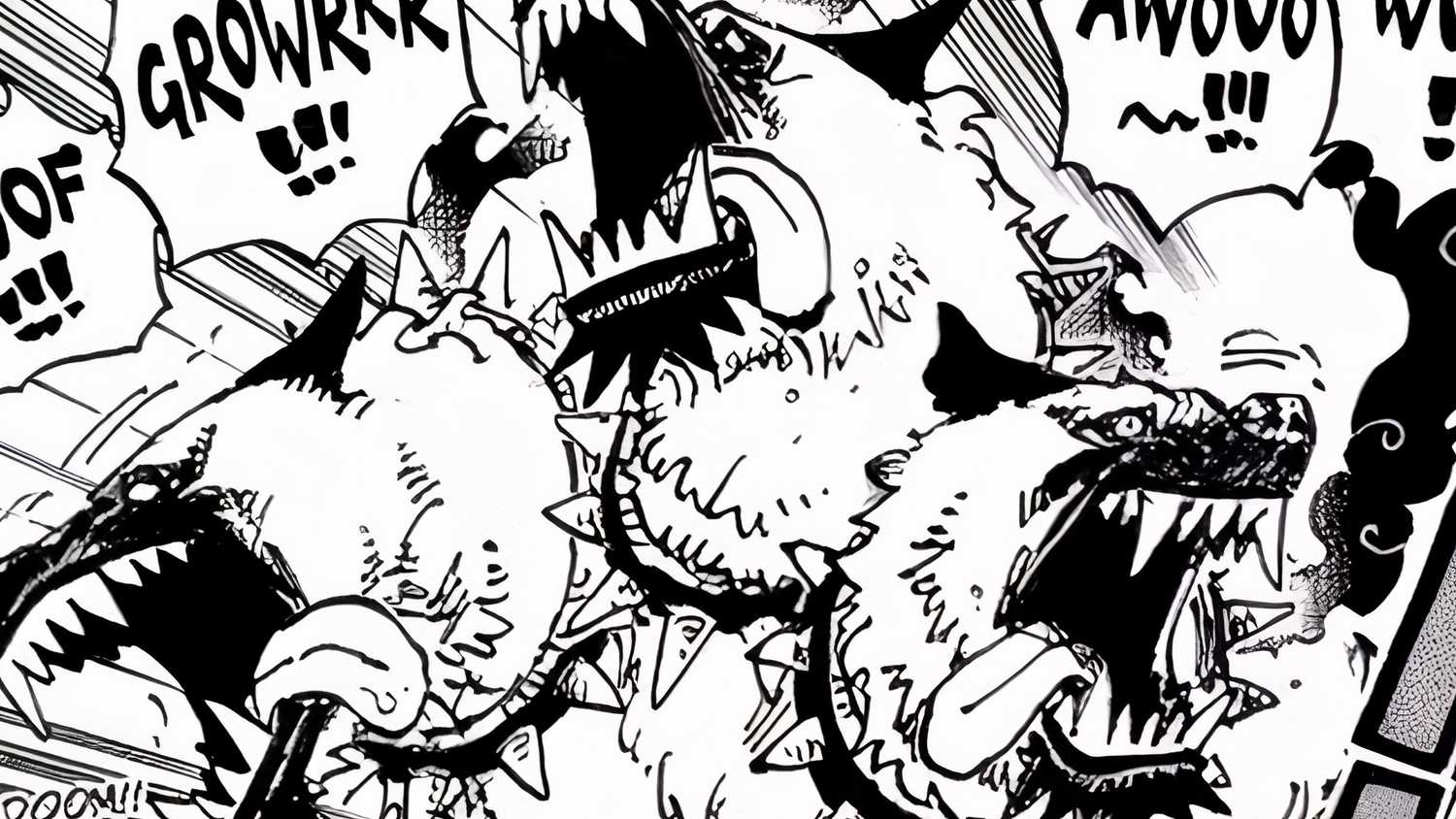
The speculated name for Garling’s sword, Cerberus, if accurate, completes this thematic triad with chilling implications. Cerberus, the three-headed hound guarding the gates of Hades in Greek mythology, evokes themes of death, guardianship of the underworld, and terrifying power. This name, when juxtaposed with Garling’s role as a celestial executioner and his Figarland lineage, known for its influence within Mariejois, paints a picture of formidable authority and ruthless enforcement of celestial decree. The potential naming convention of Gryphon, Shamrock, and Cerberus, if intentional, suggests a deliberate effort by Oda to establish a symbolic link between these swords and their wielders, hinting at a shared origin, purpose, or perhaps, a complex and intertwined destiny within the grand narrative of One Piece.

Figarland Lineage and the Celestial Dragon Connection
The Figarland Family, to which Garling belongs and of which Shanks is heavily speculated to be a member, emerges as a crucial element in deciphering this swordplay enigma. The Figarland name, increasingly associated with positions of power within Mariejois and the Holy Knights, suggests a lineage deeply intertwined with the Celestial Dragons and the World Government’s inner workings. This connection, if confirmed for both Garling and Shanks, would provide a framework for understanding their exceptional swordsmanship and the potential significance of their seemingly related blades.
Garling’s position as a Holy Knight and his title as “executioner” immediately establish him as a figure of immense authority and ruthless efficiency, directly serving the Celestial Dragons’ will. His swordsmanship, likely honed within the elite ranks of the Holy Knights, would be expected to be of the highest caliber, befitting his role as an enforcer of celestial decree. The speculation that his sword might be named Cerberus further reinforces this image of guardianship and enforcement, suggesting a blade wielded to guard the established order and punish those who transgress against it.
Shanks’s potential Figarland lineage, while still largely speculative, gains credence with each new narrative revelation. His enigmatic background, his unparalleled influence despite lacking a Devil Fruit, and his surprising access to Mariejois to meet with the Five Elders all hint at a hidden pedigree that transcends his pirate status. If Shanks is indeed connected to the Figarland family, it would explain his exceptional swordsmanship, potentially inherited or honed through familial training, and his unique position within the One Piece world, straddling the line between pirate freedom and celestial influence. The shared lineage of Garling and Shanks, if confirmed, would not only illuminate their individual strengths but also deepen the mystery surrounding the Figarland family itself and its true role within the World Government’s power structure.
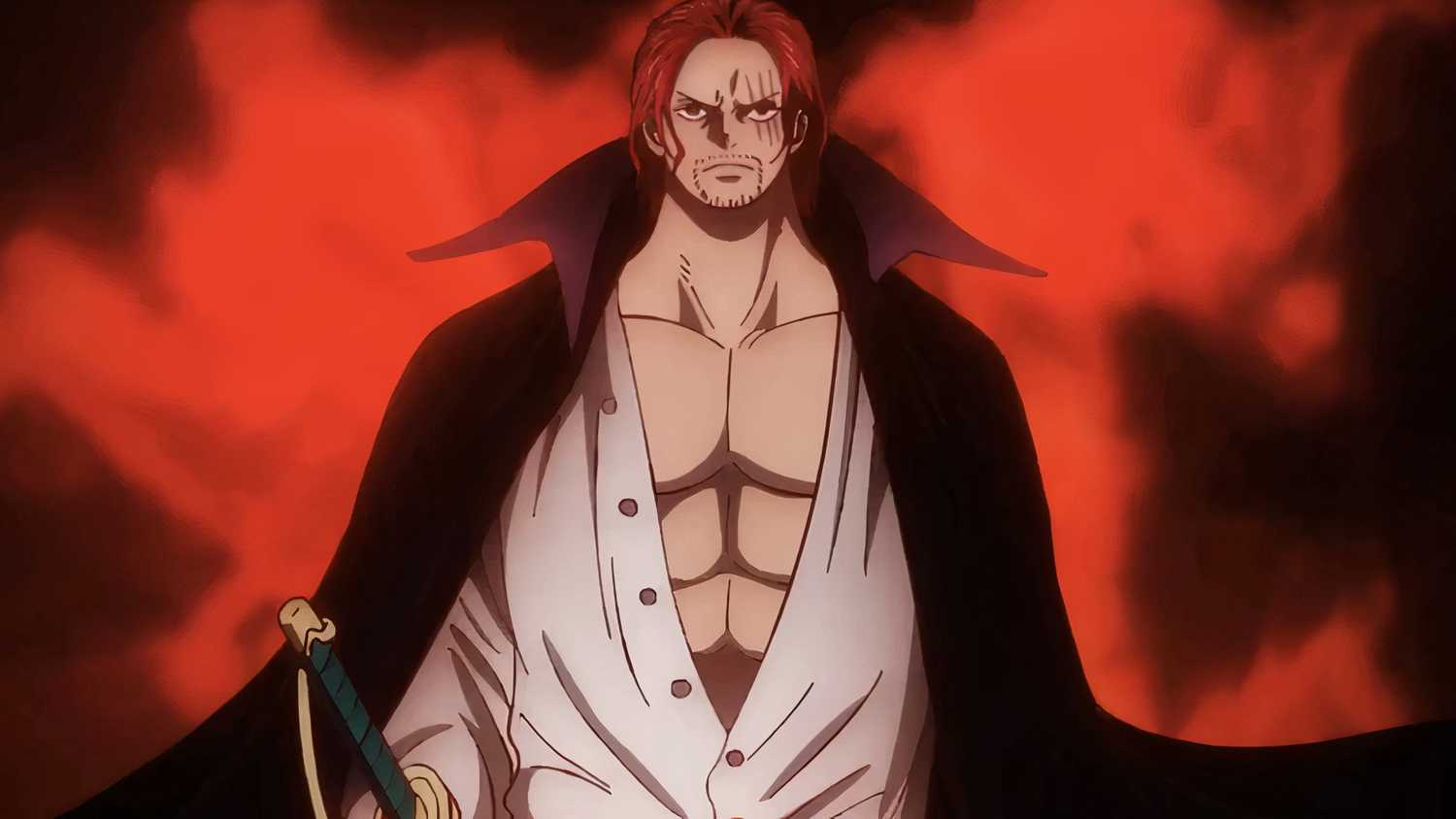
Shanks’s Sword Gryphon: Beyond Devil Fruit Reliance
Shanks’s reputation as a Yonko, a Emperor of the Sea, is particularly noteworthy for his apparent lack of reliance on a Devil Fruit ability. In a world where Devil Fruits often define power and combat prowess, Shanks stands apart, his strength seemingly rooted in his exceptional Haki and, crucially, his masterful swordsmanship. His sword, Gryphon, therefore, becomes all the more significant, representing not just a weapon but a conduit for his immense willpower and honed skills, a symbol of pure, unadulterated swordsmanship at its pinnacle.
The clashes Gryphon has been depicted in, against Whitebeard’s Murakumogiri and in his confrontation with Admiral Ryokugyu, showcase its exceptional durability and its capacity to channel immense force. These encounters solidify Gryphon’s status as a blade worthy of an Emperor, a weapon capable of withstanding the attacks of legendary figures and holding its own against Devil Fruit-enhanced powers. Shanks’s reliance on Gryphon, in the absence of a Devil Fruit, underscores the fundamental importance of swordsmanship in the One Piece world and elevates the significance of blades like Gryphon, Shamrock, and potentially Cerberus, to a level beyond mere tools of combat.
The theory that Shanks might possess a subtle or yet-to-be-revealed Devil Fruit ability persists, but even if true, his swordsmanship remains undeniably central to his fighting style and his overall image as a powerful figure. Gryphon is not merely an accessory; it is an integral part of Shanks’s identity, a symbol of his strength, his skill, and his unwavering commitment to the way of the sword. Understanding the potential connection between Gryphon, Shamrock, and Cerberus, therefore, is not just about analyzing weapons; it’s about deciphering the core philosophies and power dynamics that underpin the One Piece world and the characters who wield these legendary blades.

Holy Knights and the Shamrock Sword: Enforcers of Celestial Will
The introduction of the Holy Knights, an elite order directly serving the Celestial Dragons, adds another layer of complexity to the swordplay enigma. These figures, shrouded in mystery and wielding immense authority, are depicted as enforcers of celestial will, tasked with maintaining order and suppressing any threats to the World Government’s established power structure. The Shamrock sword, wielded by one of these Holy Knights, immediately draws parallels with Gryphon and the speculated Cerberus, suggesting a shared origin or purpose within the context of celestial authority.
The Shamrock sword’s visual design, while distinct from Gryphon, shares a certain sleekness and elegance, hinting at a blade crafted for precision and lethal efficiency. Its name, with its connotations of holiness and trinity, further reinforces the Holy Knights’ connection to the Celestial Dragons and their perceived divine mandate. The Holy Knights, as enforcers of celestial law, would naturally be expected to wield weapons befitting their elevated status, and the Shamrock sword appears to embody this expectation, representing a blade imbued with both power and symbolic authority.
The potential connection between the Shamrock sword and the Figarland lineage, if both Garling and Shanks are indeed members, becomes even more intriguing. Are these swords, Gryphon, Shamrock, and Cerberus, somehow familial heirlooms, passed down through generations of Figarlands and imbued with specific significance within their lineage? Or do they represent a more formalized system, perhaps blades bestowed upon those who serve the Celestial Dragons in specific capacities, Gryphon for Emperors, Cerberus for Executioners, and Shamrock for Holy Knights? Unraveling the relationship between these swords and their wielders may unlock crucial insights into the inner workings of the Celestial Dragons, the Holy Knights, and the Figarland family’s true influence within the One Piece world.
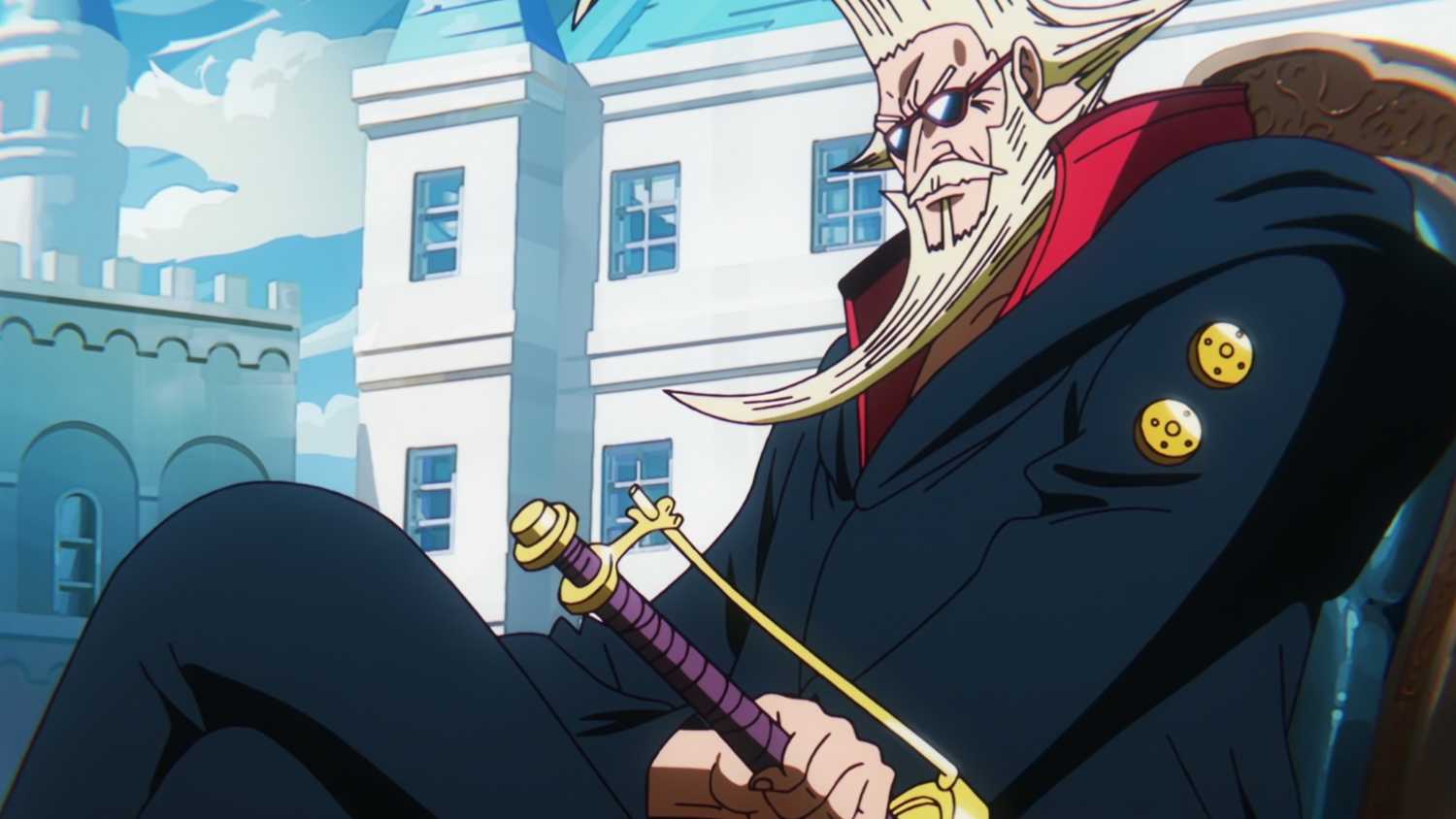
Cerberus: Speculation and the Three-Headed Guard Dog
While the name Cerberus for Garling’s sword remains speculative, the thematic resonance and mythological parallels are too compelling to ignore. Cerberus, the three-headed hound of Hades, is a potent symbol of guardianship, ferocity, and unwavering loyalty to the underworld and its ruler. Applying this name to Garling’s sword, wielded by a celestial executioner, immediately evokes images of ruthless enforcement, guarding the celestial order, and punishing transgressors with terrifying efficiency.
The three heads of Cerberus in mythology could potentially symbolize different aspects of Garling’s role or the nature of his swordsmanship. Perhaps each head represents a different style, technique, or even a different aspect of celestial justice as he perceives it. The three-headed imagery could also tie into the potential ‘trinity’ theme hinted at by the Shamrock sword, further solidifying a deliberate naming convention and symbolic connection between these blades and their wielders within the celestial sphere of influence.
Even if the name Cerberus proves to be inaccurate, the thematic undercurrent remains potent. Garling’s sword, whatever its true name, is undoubtedly a weapon of immense power and significance, befitting his position as a Holy Knight and celestial executioner. The speculation surrounding Cerberus serves to highlight the analytical depth of the One Piece fandom and their keen ability to discern patterns and thematic connections within Oda’s meticulously crafted narrative, further enriching the ongoing discourse surrounding these enigmatic swords and their wielders.

Shamrock’s Sword and the Holy Knight’s Identity
The Holy Knight wielding the Shamrock sword remains shrouded in mystery, their identity and specific role within the Holy Knights still largely unknown. However, their introduction and the prominence given to their Shamrock blade suggest a figure of considerable importance and power, likely playing a significant role in the unfolding narrative. Analyzing the Shamrock sword and its potential symbolism may offer clues to the Holy Knight’s identity and their connection to the broader One Piece lore.
The Shamrock, as mentioned earlier, carries connotations of holiness, trinity, and Irish symbolism. This could hint at a specific ideological or organizational sub-division within the Holy Knights, perhaps dedicated to upholding a particular tenet of celestial justice or representing a specific lineage within the Celestial Dragons’ enforcers. The Holy Knight’s fighting style and abilities, once revealed, may further illuminate the significance of the Shamrock sword and its wielder’s role within the World Government.
The visual design of the Holy Knight and their Shamrock sword, combined with the thematic resonance of the name, suggests a character who is both formidable and enigmatic, a figure whose actions will likely have significant repercussions for the unfolding narrative. Unraveling the mystery of the Shamrock sword and its wielder is crucial to understanding the true power and influence of the Holy Knights and their role in the escalating conflicts that define the One Piece endgame.
Conclusion: Swords of Destiny and the Unfolding Narrative
The emergence of Gryphon, Shamrock, and the speculated Cerberus swords, wielded by Shanks, a Holy Knight, and Figarland Garling respectively, presents a compelling enigma at the heart of the evolving One Piece narrative. These blades, seemingly linked by thematic resonance, potential lineage, and the immense power of their wielders, hint at a deeper, interconnected destiny waiting to be unveiled. Deciphering the mysteries surrounding these swords is not merely an exercise in fan speculation; it is a crucial step in understanding the true power dynamics, historical undercurrents, and overarching narrative trajectory of One Piece as it races towards its highly anticipated climax.
As Oda continues to weave his intricate narrative tapestry, the significance of these swords and their wielders will undoubtedly become clearer, revealing the full extent of their influence on the world of One Piece and the ultimate fate of Monkey D. Luffy and his Straw Hat Pirates. The echoes of lineage and steel resonate through these blades, promising further revelations, thrilling confrontations, and a deeper understanding of the forces shaping the grand and ever-expanding world of One Piece.