

Within the expansive and ever-evolving universe of light novels, a particular subgenre has consistently captivated readers, drawing them into narratives where protagonists transcend the conventional limitations of power and ability: the realm of the overpowered protagonist. These stories, often characterized by exhilarating action sequences, intricate world-building, and the sheer vicarious thrill of witnessing characters effortlessly overcome seemingly insurmountable obstacles, have carved a significant niche within the broader literary landscape. The allure of the overpowered protagonist is multifaceted, tapping into fundamental human desires for competence, mastery, and the wish-fulfillment fantasy of possessing extraordinary capabilities. This article embarks on an explorative journey into some of the most compelling and critically acclaimed light novels that exemplify this trope, offering a curated selection for both seasoned aficionados and newcomers eager to delve into this captivating literary domain.
The concept of the “overpowered” protagonist, often abbreviated as “OP,” is not merely about characters possessing immense strength or magical prowess. It is a narrative device that, when skillfully employed, can unlock a plethora of storytelling possibilities. These protagonists, frequently reincarnated individuals, summoned heroes, or prodigies blessed with innate talents, often stand as paragons of exceptionalism within their respective fictional universes. Their dominance is not simply a matter of brute force; it frequently encompasses strategic brilliance, tactical acumen, and an almost preternatural ability to adapt and overcome adversity. The narratives surrounding these characters often explore themes of responsibility, the burdens of exceptionalism, and the ethical considerations that arise when wielding power that far surpasses that of their peers. Furthermore, the juxtaposition of overwhelming strength with relatable human vulnerabilities often forms the emotional core of these stories, allowing readers to connect with characters who, despite their extraordinary abilities, grapple with universal experiences of self-doubt, social isolation, or the weight of expectation.
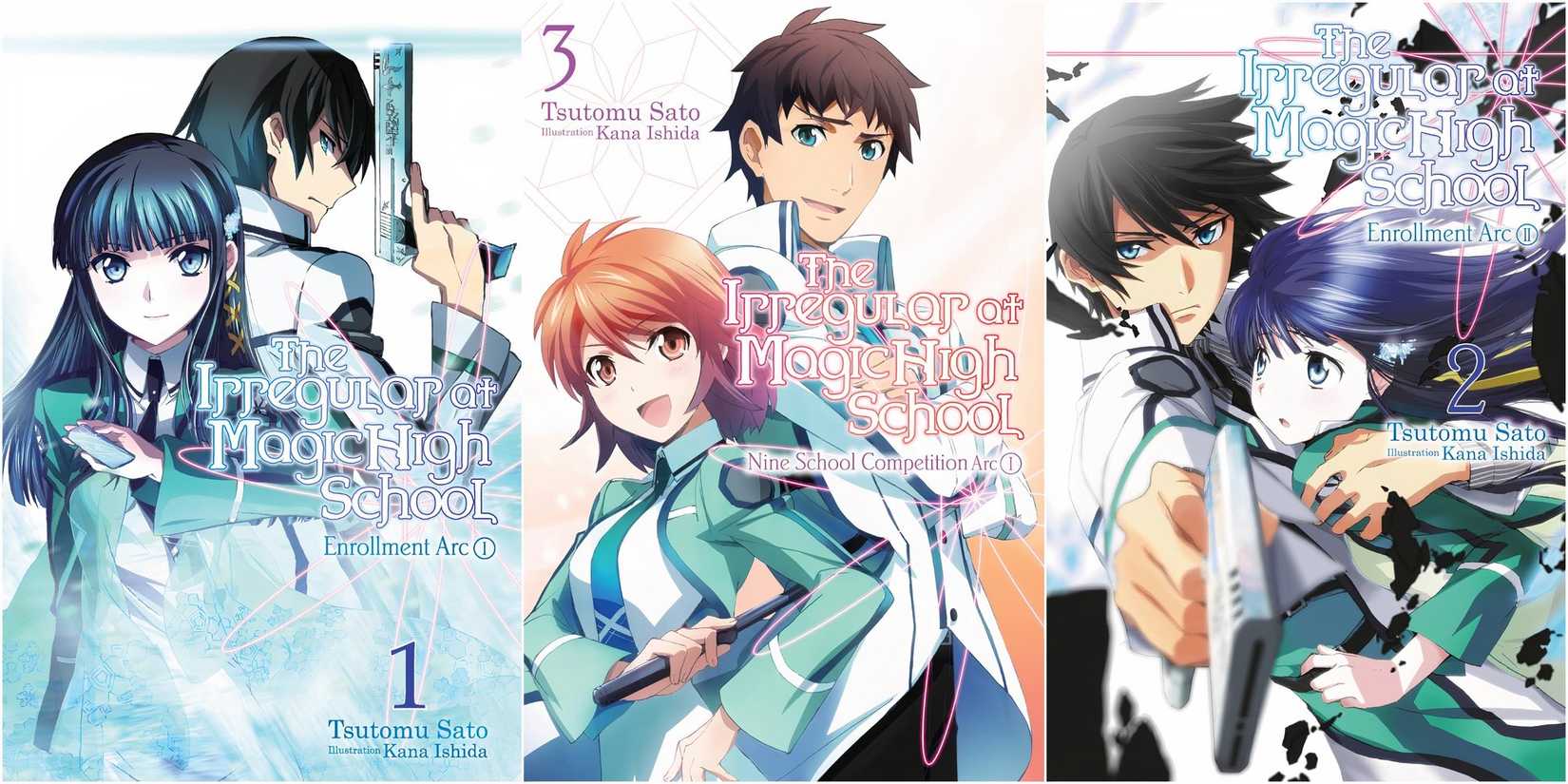
A collage showcasing some of the prominent light novels featuring overpowered protagonists discussed in this article.
1. Overlord: The Undead Sovereign’s Reign of Strategic Dominance
At the zenith of the overpowered protagonist light novel pantheon stands Overlord, penned by Kugane Maruyama. This series has garnered widespread acclaim for its meticulously crafted world, its morally ambiguous protagonist, and its compelling exploration of power dynamics within a virtual reality setting. The narrative centers on Momonga, a dedicated player of the now-defunct virtual reality massively multiplayer online role-playing game (VRMMORPG) Yggdrasil. As the game servers are scheduled to shut down, Momonga makes the momentous decision to remain logged in until the very end. However, instead of being forcibly logged out, he finds himself transported, along with his guild base, the Great Tomb of Nazarick, and its loyal non-player characters (NPCs), into a new, fantastical reality that mirrors the game world he once knew. Crucially, he is now embodied as his in-game avatar, Ainz Ooal Gown, a formidable and immensely powerful undead sorcerer.
Ainz Ooal Gown is the quintessential overpowered protagonist. His character build within Yggdrasil was meticulously optimized for maximum magical potency and strategic command. He possesses an encyclopedic knowledge of spells, possesses an arsenal of artifacts imbued with extraordinary power, and commands an army of loyal and equally overpowered NPCs, each a master in their respective domains. However, what truly distinguishes Overlord is not simply Ainz’s raw power, but rather the nuanced exploration of his strategic decision-making and his evolving moral compass in this new world. Initially driven by a desire to understand his new surroundings and secure the survival of Nazarick, Ainz gradually transitions into a more proactive role, inadvertently becoming a ruler and a figure of legend. His actions, often driven by pragmatism and a calculated assessment of risks and rewards, frequently have far-reaching consequences, shaping the political landscape of the world around him.
Overlord delves into the complexities of leadership, the corrupting influence of absolute power, and the ethical dilemmas inherent in wielding such overwhelming force. Ainz, despite his undead nature and his growing detachment from human emotions, grapples with the responsibility of leading Nazarick and the moral implications of his actions in a world where he is virtually untouchable. The series masterfully blends elements of dark fantasy, political intrigue, and strategic warfare, creating a rich and engaging narrative that transcends the typical power fantasy tropes often associated with the overpowered protagonist genre. The intricate world-building, the morally gray characters, and the constant tension between Ainz’s calculated pragmatism and the unpredictable nature of his new reality make Overlord a standout example of the genre and a must-read for enthusiasts seeking a more sophisticated and thought-provoking take on the overpowered protagonist archetype.

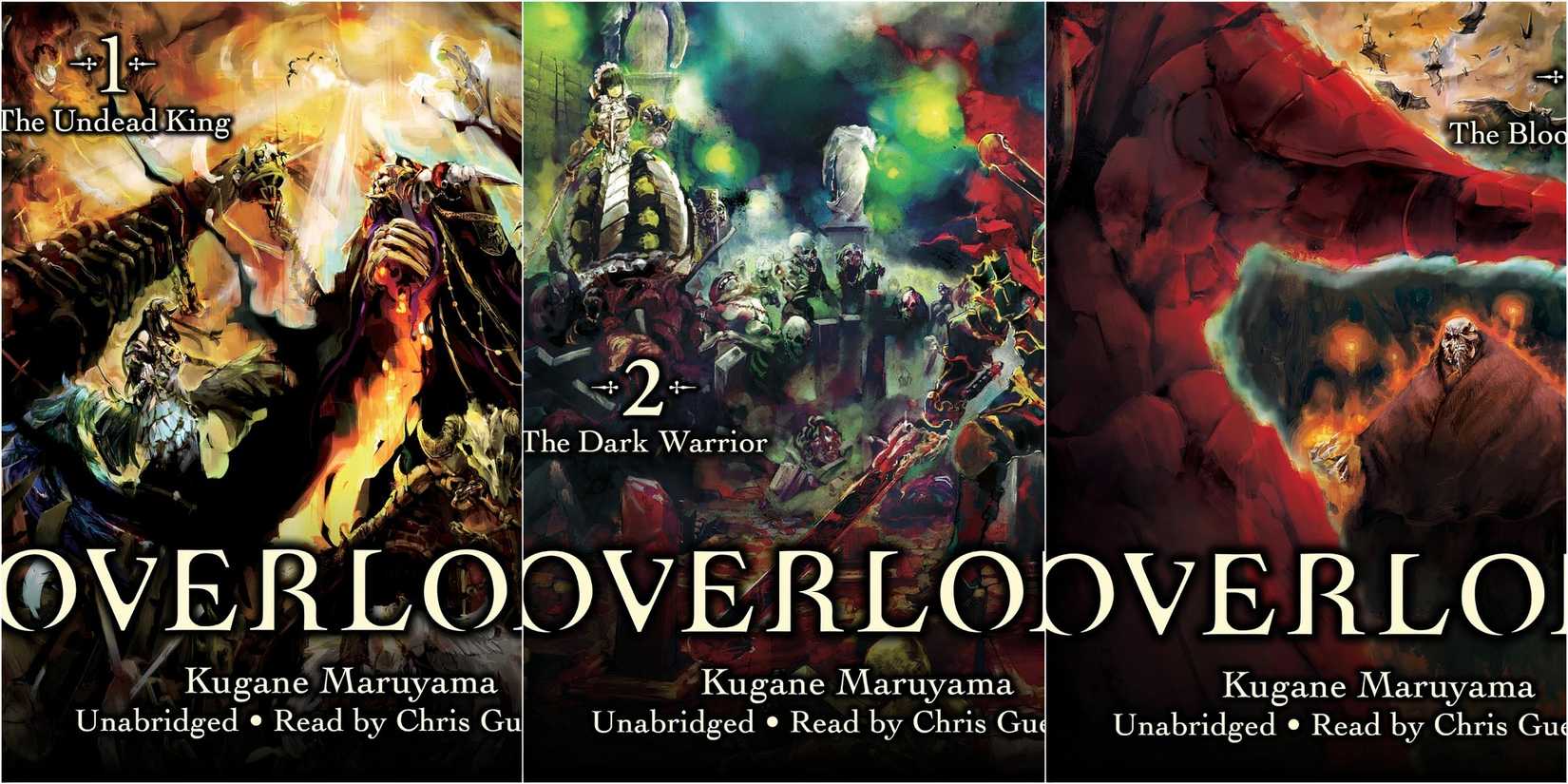
The cover art for Overlord, showcasing Ainz Ooal Gown and the imposing Great Tomb of Nazarick.
2. The Irregular at Magic High School: Strategic Genius and Unrivaled Magical Prowess
For readers who appreciate a blend of strategic brilliance, technological advancement, and magical combat, The Irregular at Magic High School, penned by Tsutomu Satou, presents a compelling narrative centered around Shiba Tatsuya, a seemingly ordinary student who harbors extraordinary, albeit unconventional, magical abilities. Set in a future where magic is a codified and scientifically studied discipline, the story unfolds at First High School, a prestigious institution that segregates students based on their perceived magical aptitude. Tatsuya, despite excelling in practical combat skills and possessing unparalleled strategic thinking, is deemed “irregular” due to his apparent lack of aptitude in “Casting Magic,” the conventional form of spellcasting emphasized by the school. He is thus relegated to the “Course 2” or “Weed” class, while his exceptionally talented younger sister, Shiba Miyuki, is placed in the prestigious “Course 1” or “Bloom” class.
However, appearances are profoundly deceptive in the case of Shiba Tatsuya. Beneath his unassuming demeanor lies a mind of exceptional analytical capacity and a mastery of magic that transcends conventional understanding. His “irregularity” stems not from a lack of magical power, but rather from the unique nature of his abilities, which are classified as “Decomposition” and “Regrowth.” Decomposition allows him to analyze and dismantle any magical phenomenon down to its fundamental components, effectively nullifying its effects. Regrowth, conversely, grants him the power to restore objects or even living organisms to a previous state, essentially reversing damage and even, to a limited extent, manipulating time at a localized level. These abilities, while not conventionally recognized as “magic” within the established framework of the world, render him virtually invincible in combat and an unparalleled strategic asset.
The Irregular at Magic High School distinguishes itself through its intricate system of magic, rooted in scientific principles and meticulously explained throughout the narrative. Tatsuya’s overpowered nature is not merely a matter of raw magical strength; it is intrinsically linked to his intellectual prowess and his ability to understand and manipulate the underlying mechanics of magic itself. The series delves into themes of societal prejudice, the limitations of rigid systems of classification, and the recognition of unconventional talent. Tatsuya’s journey is one of defying expectations, challenging established norms, and ultimately proving that true strength lies not in conforming to predefined categories, but in embracing one’s unique abilities and leveraging them to their fullest potential. The blend of strategic combat, technological innovation, and social commentary makes The Irregular at Magic High School a captivating read for those seeking a more intellectually stimulating and strategically driven overpowered protagonist narrative.
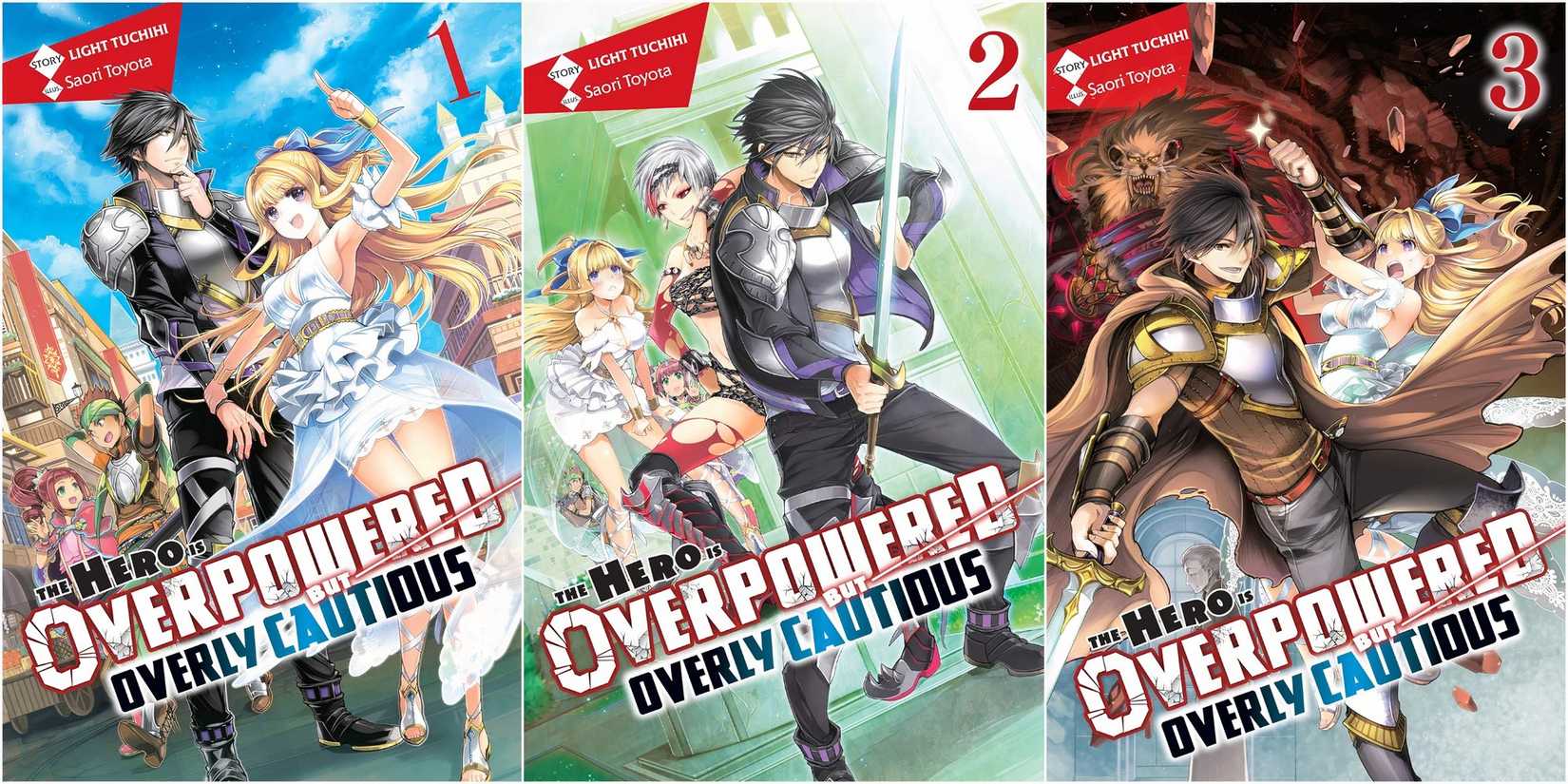
Cover art featuring Shiba Tatsuya and Shiba Miyuki from The Irregular at Magic High School.
3. Arifureta: From Commonplace to World’s Strongest: The Brutal Path to Unrivaled Power through Despair
Venturing into a darker and more visceral portrayal of the overpowered protagonist archetype, Arifureta: From Commonplace to World’s Strongest, penned by Ryo Shirakome, presents the harrowing tale of Nagumo Hajime, an ordinary and initially unremarkable high school student who is thrust into a treacherous isekai world and forced to forge his own path to unimaginable power through sheer grit and unwavering determination. Hajime, along with his classmates, is summoned to a fantastical realm to serve as heroes in the fight against monstrous forces threatening humanity. However, unlike his classmates who are bestowed with potent combat-oriented abilities, Hajime is cursed with the underwhelming “Synergist” class, an alchemist-like profession deemed utterly useless in direct combat. Betrayed and left for dead in a perilous labyrinth, Hajime is forced to confront the brutal realities of this new world and embark on a desperate struggle for survival.
The narrative of Arifureta takes a dramatic turn as Hajime, driven by the primal instinct to survive and fueled by a burning desire for revenge against those who abandoned him, undergoes a radical transformation. Through relentless self-improvement, cunning resourcefulness, and a willingness to embrace morally ambiguous methods, Hajime gradually ascends from a “commonplace” individual to a being of unparalleled power. He devours monstrous creatures to absorb their abilities, crafts potent weaponry and artifacts using his alchemical skills, and hones his combat prowess through constant life-or-death encounters. His journey is not one of effortless ascendance; it is a grueling and often traumatic odyssey marked by betrayal, loss, and the constant struggle against overwhelming odds. This arduous path to power, forged in the crucible of despair, is what ultimately defines Hajime’s character and distinguishes Arifureta from more conventional power fantasy narratives.
Arifureta explores themes of resilience, self-reliance, and the transformative power of adversity. Hajime’s journey is a testament to the human capacity for adaptation and the lengths to which individuals will go to survive when pushed to their absolute limits. The series delves into the psychological toll of trauma, the blurring lines between heroism and anti-heroism, and the ethical compromises that are sometimes necessary in a world where survival often necessitates ruthless pragmatism. While the series embraces the power fantasy element inherent in the overpowered protagonist trope, it does so within a context of profound struggle and moral complexity, offering a darker and more nuanced exploration of the archetype. For readers seeking a visceral and emotionally charged narrative where power is earned through hardship and the protagonist’s journey is marked by both triumph and tribulation, Arifureta: From Commonplace to World’s Strongest presents a compelling and unforgettable experience.
The cover art for Arifureta: From Commonplace to World’s Strongest, depicting Nagumo Hajime in his transformed state.
4. The Misfit of Demon King Academy: Reincarnation as the Unmatched Demon King of Tyranny
For those who revel in narratives of absolute dominance and protagonists who exude an aura of effortless superiority, The Misfit of Demon King Academy: History’s Strongest Demon King Reincarnates and Goes to School with His Descendants, penned by Shu, delivers an unadulterated power fantasy experience centered around Anos Voldigoad, the reincarnated Demon King of Tyranny. Having grown weary of endless warfare and bloodshed in his previous life, Anos orchestrates his own reincarnation with the intention of ushering in an era of peace and tranquility. However, upon awakening two millennia later, he discovers that magic has drastically declined, and his own legendary status has been distorted and diminished by the passage of time. He enrolls in Demon King Academy, an institution established to identify the reincarnated Demon King, only to be deemed a “misfit” due to his immeasurable and unconventional magical power, which surpasses the academy’s limited understanding of magical potential.
Anos Voldigoad is the epitome of the overpowered protagonist, possessing magical abilities that defy all logical boundaries and conventional limitations. His power is so vast and incomprehensible that it often breaks the established rules of the world, rendering him capable of effortlessly overcoming any challenge or opponent. He can resurrect himself from complete annihilation, manipulate fate itself, and wield spells of such destructive magnitude that they can obliterate entire dimensions. However, what truly sets Anos apart is not merely his raw power, but his unwavering confidence, his sardonic wit, and his nonchalant attitude towards the challenges he faces. He approaches every obstacle with an air of amused detachment, often demonstrating his overwhelming superiority in increasingly flamboyant and theatrical ways. His catchphrase, “Did you really think killing me would be enough to make me die?” encapsulates his utter invincibility and his playful disdain for the limitations of his adversaries.
The Misfit of Demon King Academy embraces the power fantasy trope to its fullest extent, reveling in the sheer spectacle of Anos’s unmatched dominance. The series is less concerned with intricate plot complexities or profound character development and more focused on delivering a consistently entertaining and visually engaging experience centered around Anos’s overwhelming power and his interactions with the often bewildered and incredulous characters around him. The humor derives from the sheer absurdity of Anos’s abilities and the reactions of those who attempt to challenge him, invariably failing in increasingly spectacular fashion. For readers seeking pure, unadulterated power fantasy escapism, where the protagonist is unequivocally the strongest and effortlessly triumphs over all adversity, The Misfit of Demon King Academy offers a thoroughly enjoyable and unapologetically over-the-top experience.
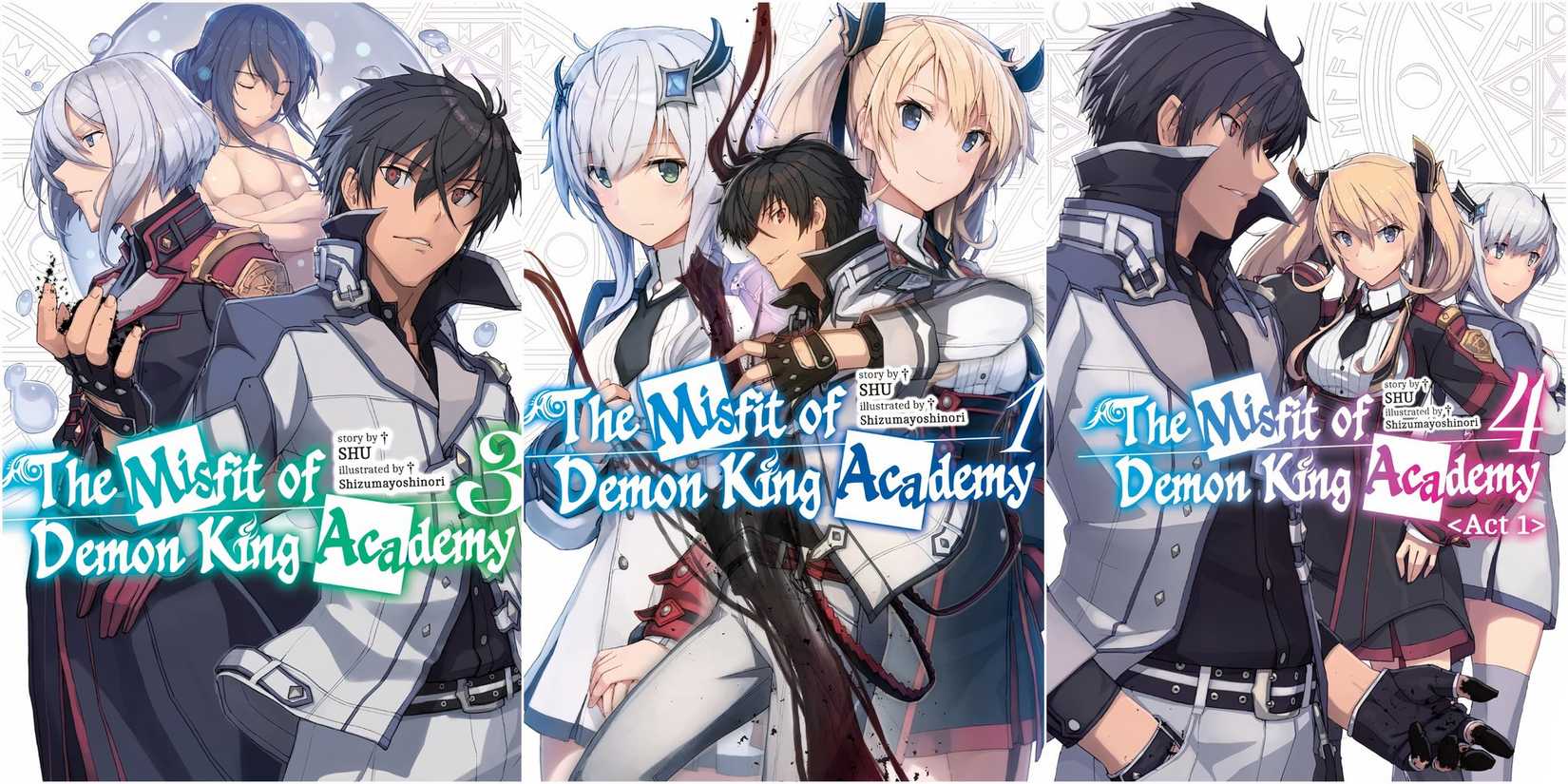
Cover illustration showcasing Anos Voldigoad, the Demon King of Tyranny, from The Misfit of Demon King Academy.
5. That Time I Got Reincarnated as a Slime: From Humble Beginnings to World-Forging Deity
Offering a more heartwarming and community-centric approach to the overpowered protagonist narrative, That Time I Got Reincarnated as a Slime, penned by Fuse, chronicles the whimsical yet ultimately impactful journey of Satoru Mikami, a seemingly ordinary salaryman who is reincarnated into a fantastical world as a seemingly weak slime monster. Initially possessing only the unassuming abilities of “Predator” (allowing him to devour and acquire the characteristics of anything he consumes) and “Great Sage” (a highly intelligent analytical skill), Rimuru Tempest, as he renames himself, embarks on a path of unexpected growth and influence. Through a combination of strategic alliances, benevolent leadership, and the gradual unlocking of his latent potential, Rimuru evolves from a humble slime into a powerful and respected leader, eventually becoming a deity-level being who shapes the destiny of an entire world.
Rimuru Tempest’s journey is characterized by a gradual and organic progression of power, rather than an immediate and overwhelming display of dominance. His initial abilities, while seemingly unremarkable, prove to be incredibly versatile and adaptable when combined with his intelligence, his diplomatic skills, and his innate desire to build a harmonious and prosperous community. He attracts a diverse cast of loyal followers, each possessing unique skills and perspectives, and together they establish the Jura Tempest Federation, a nation built on principles of inclusivity, cooperation, and mutual respect. Rimuru’s overpowered nature emerges not solely from his individual combat prowess, which does eventually reach extraordinary levels, but also from his ability to inspire and empower those around him, creating a synergistic network of strength and influence that far surpasses the sum of its parts.
That Time I Got Reincarnated as a Slime distinguishes itself through its emphasis on world-building, community development, and the exploration of political and economic systems within a fantastical setting. While action and combat are certainly present, the narrative prioritizes Rimuru’s role as a leader and a nation-builder, showcasing his diplomatic acumen, his administrative capabilities, and his genuine care for the well-being of his citizens. The series explores themes of leadership, diplomacy, cultural exchange, and the creation of a utopian society, all while maintaining a lighthearted and often humorous tone. Rimuru’s overpowered nature serves not as a means of brute force dominance, but rather as a catalyst for positive change and the creation of a better world. For readers seeking an overpowered protagonist narrative with a strong emphasis on community, diplomacy, and heartwarming character interactions, That Time I Got Reincarnated as a Slime offers a refreshing and uplifting experience.
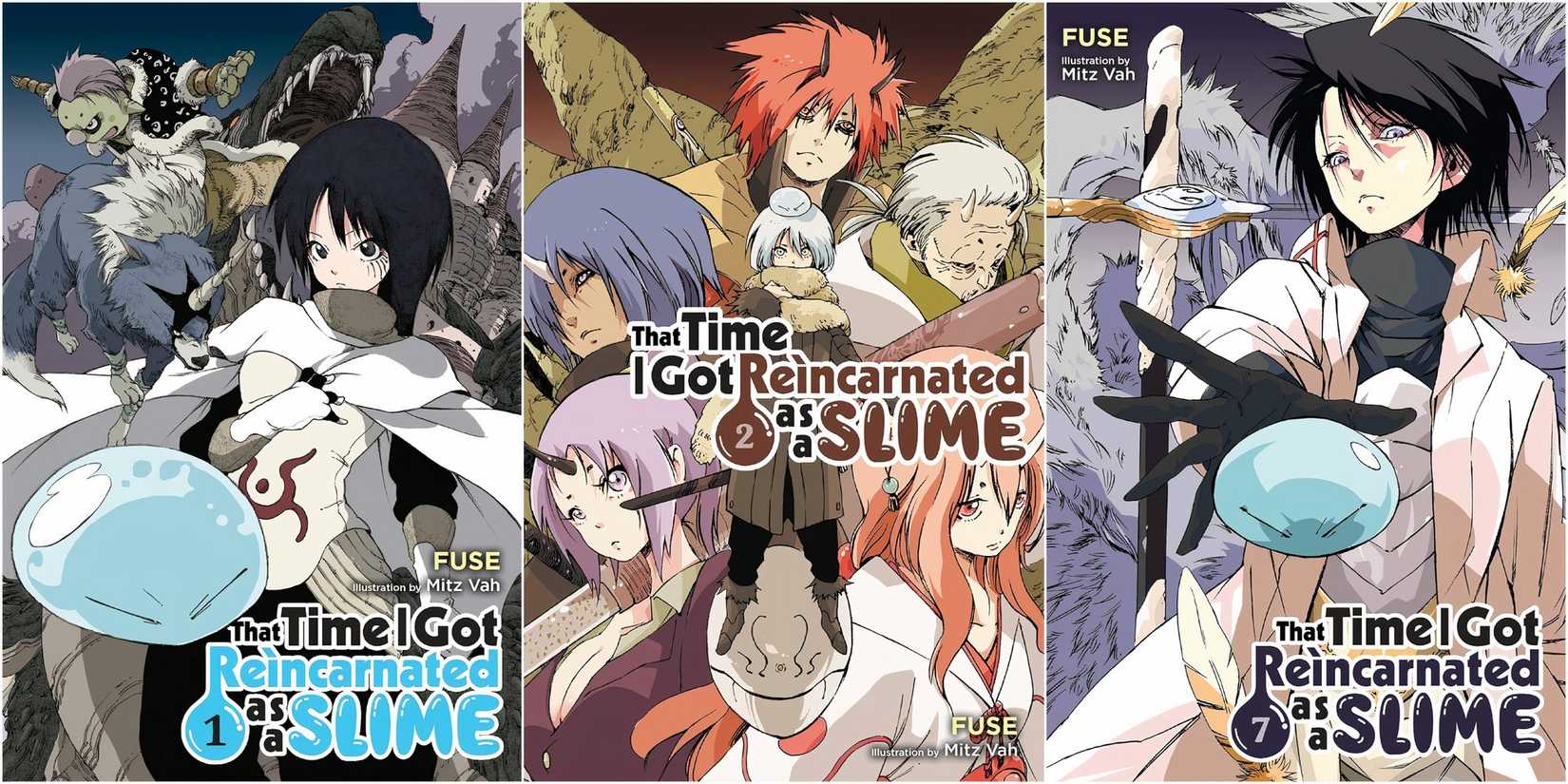
Cover art depicting Rimuru Tempest in his slime form from That Time I Got Reincarnated as a Slime.
6. Saga of Tanya the Evil: Ruthless Efficiency and Reincarnated Corporate Pragmatism in a Magical World War
Offering a starkly contrasting perspective on the isekai and overpowered protagonist tropes, Saga of Tanya the Evil, penned by Carlo Zen, presents a darkly satirical and morally ambiguous narrative centered around Tanya Degurechaff, a ruthless and hyper-rational salaryman reincarnated as a petite and seemingly innocent girl in a war-torn magical world resembling early 20th-century Europe. Driven by an unwavering commitment to efficiency, career advancement, and a staunch rejection of faith, Tanya leverages her past-life knowledge and her innate magical aptitude to climb the ranks of the Empire’s military, becoming a highly decorated and terrifyingly effective mage officer. Her overpowered nature stems not from inherent magical supremacy, but rather from her unparalleled tactical brilliance, her cold-blooded pragmatism, and her ruthless exploitation of the magical system and the military hierarchy.
Tanya Degurechaff is an anomaly within the overpowered protagonist archetype. She is not driven by heroic ideals, a sense of justice, or a desire to protect others. Her motivations are purely self-serving, focused on maximizing her personal gain and ensuring her own survival in a world that constantly threatens to derail her carefully laid plans. Her magical abilities, while potent, are not inherently exceptional compared to other skilled mages. However, her strategic genius, her meticulous planning, and her unwavering resolve to achieve her objectives, regardless of the ethical implications, elevate her to a position of extraordinary power and influence within the Empire’s military machine. She views warfare as a calculated game of resource management and strategic maneuvering, and she approaches every battle with a cold and detached efficiency that borders on sociopathic. Her infamous reputation as the “Devil of the Rhine” is a testament to her ruthless effectiveness and the fear she instills in both her enemies and her allies.
Saga of Tanya the Evil delves into themes of war, propaganda, the nature of evil, and the clash between faith and reason. Tanya’s unwavering atheism and her cynical worldview are constantly challenged by the existence of “Being X,” a self-proclaimed god who orchestrated her reincarnation as punishment for her lack of faith in her previous life. The series satirizes the glorification of war, the absurdity of bureaucratic systems, and the often-tenuous justifications for violence and conflict. Tanya’s morally ambiguous actions and her unwavering commitment to her own self-interest force readers to confront uncomfortable questions about the nature of heroism, the cost of ambition, and the potential for even the most rational individuals to become instruments of destruction. For readers seeking an overpowered protagonist narrative that subverts genre conventions, embraces dark humor, and delves into complex ethical dilemmas, Saga of Tanya the Evil presents a uniquely thought-provoking and unsettling experience.
Cover illustration of Tanya Degurechaff, the titular protagonist of Saga of Tanya the Evil.
7. Classroom of the Elite: The Enigmatic Genius Manipulating from the Shadows
Shifting gears from overtly fantastical settings to a more grounded and psychologically driven narrative, Classroom of the Elite, penned by Shogo Kinugasa, presents a unique take on the overpowered protagonist trope through Ayanokoji Kiyotaka, a seemingly average and unassuming student who conceals an extraordinary intellect and manipulative prowess beneath a facade of apathy and mediocrity. Set at the prestigious Koudo Ikusei Senior High School, an institution designed to nurture the future elite of Japan, the story revolves around a meritocratic system where students are divided into classes based on their perceived academic and social abilities. Ayanokoji is deliberately placed in Class 1-D, the lowest-ranked class, despite possessing exceptional capabilities, choosing to operate from the shadows and manipulate events behind the scenes rather than directly showcasing his talents.
Ayanokoji Kiyotaka’s overpowered nature is not manifested through brute force or magical abilities, but rather through his unparalleled intellect, his strategic foresight, and his mastery of psychological manipulation. He possesses an almost superhuman level of emotional detachment, allowing him to analyze situations with cold objectivity and formulate intricate plans to achieve his objectives. He is a master of reading people, identifying their weaknesses and motivations, and exploiting them to his advantage. His true goals remain shrouded in mystery for much of the narrative, and his actions are often enigmatic and seemingly contradictory, adding to his aura of intrigue and inscrutability. He operates as a puppet master, subtly influencing the actions of others and orchestrating events to achieve his desired outcomes, all while maintaining a low profile and avoiding direct confrontation.
Classroom of the Elite delves into themes of social hierarchy, manipulation, psychological warfare, and the nature of true ability. Ayanokoji’s journey is one of strategic maneuvering within the complex social ecosystem of Koudo Ikusei High School, where students are constantly vying for power and advancement. The series explores the darker aspects of human nature, the corrupting influence of power, and the lengths to which individuals will go to achieve their goals in a competitive environment. Ayanokoji’s morally ambiguous actions and his detached perspective on human relationships challenge conventional notions of heroism and morality, forcing readers to question the true nature of strength and the ethical implications of manipulating others for personal gain. For readers seeking an overpowered protagonist narrative that prioritizes psychological intrigue, strategic maneuvering, and a morally complex protagonist, Classroom of the Elite offers a captivating and intellectually stimulating experience.
The cover art for Classroom of the Elite, featuring Ayanokoji Kiyotaka in a contemplative pose.
8. Cautious Hero: The Hero Is Overpowered but Overly Cautious: Parody and Exaggeration of the Overpowered Trope
Taking a more comedic and self-aware approach to the overpowered protagonist archetype, Cautious Hero: The Hero Is Overpowered but Overly Cautious, penned by Light Tuchihi, satirizes the genre conventions through Seiya Ryuuguuin, a hero summoned to save a world from impending doom, who possesses stats that are ludicrously high from the outset, rendering him undeniably overpowered. However, Seiya’s defining characteristic is not his immense power, but rather his cripplingly excessive caution, which manifests in extreme over-preparation, meticulous planning, and an unwavering tendency to overkill every single opponent, regardless of their actual threat level. His cautious nature, while often humorous, stems from a deep-seated fear of failure and a pathological need to ensure absolute certainty of victory in every encounter.
Seiya Ryuuguuin is an exaggerated caricature of the overpowered protagonist, pushing the trope to its comedic extreme. His stats are so ridiculously high that he can effortlessly defeat even the most formidable monsters with minimal effort. However, his excessive caution often leads to absurd and comical situations, as he spends inordinate amounts of time training, stockpiling resources, and devising elaborate strategies for even the most trivial tasks. He refuses to engage in any battle without being absolutely certain of victory, and he routinely overpowers his opponents to a comical degree, often pulverizing them into dust with attacks that are far beyond what is necessary. His catchphrase, “I am Seiya Ryuuguuin. Ready Perfecto!” encapsulates his obsessive pursuit of perfection and his unwavering commitment to caution.
Cautious Hero is primarily a comedy series that derives its humor from the juxtaposition of Seiya’s overwhelming power and his cripplingly excessive caution. The narrative satirizes the power fantasy tropes often associated with the isekai and overpowered protagonist genres, poking fun at the idea of effortless victory and the inherent absurdity of characters who are seemingly invincible. The series also explores the dynamic between Seiya and Ristarte, the goddess who summoned him, who serves as the primary comedic foil to Seiya’s extreme caution, constantly exasperated by his over-the-top preparations and his tendency to overkill. For readers seeking a lighthearted and humorous take on the overpowered protagonist trope, a series that embraces self-parody and delivers consistent laughs through its exaggerated characters and situations, Cautious Hero: The Hero Is Overpowered but Overly Cautious offers a thoroughly entertaining and comedic experience.

Cover art from Cautious Hero: The Hero Is Overpowered but Overly Cautious, showcasing Seiya Ryuuguuin and Ristarte.
9. Tsukimichi: Moonlit Fantasy: Godly Power and Reluctant Heroism in a Divine Isekai Mishap
Presenting a narrative that blends elements of comedy, adventure, and slow-life isekai with a subtly overpowered protagonist, Tsukimichi: Moonlit Fantasy, penned by Kei Azumi, tells the story of Misumi Makoto, an ordinary high school student who is unexpectedly summoned to a fantastical world by a capricious goddess. However, due to the goddess’s arbitrary and discriminatory aesthetic preferences, Makoto is deemed “ugly” and stripped of his hero title, banished to the desolate fringes of the world. Despite this initial setback, Makoto soon discovers that he possesses immense, albeit unconventional, magical power, far exceeding the capabilities of ordinary humans and even surpassing the goddess’s own expectations. His journey is one of self-discovery, forging his own destiny in a world that initially rejected him, and inadvertently becoming a figure of immense power and influence despite his initial reluctance.
Misumi Makoto’s overpowered nature is not immediately apparent and unfolds gradually throughout the narrative. His initial banishment and the goddess’s disdain for his appearance create a sense of underdog status, making his subsequent rise to power all the more satisfying. His magical abilities are unconventional and often manifest in unexpected ways, reflecting his unique connection to the world and his unconventional circumstances. He is not driven by a desire for heroism or glory, but rather by a desire to live a peaceful and fulfilling life in this new world, free from the prejudices and expectations imposed upon him by the goddess and the dominant human society. His interactions with various demi-human races, initially wary and often hostile, gradually evolve into alliances and friendships, as he demonstrates his genuine kindness, his strategic acumen, and his unexpected power.
Tsukimichi: Moonlit Fantasy explores themes of prejudice, societal beauty standards, self-acceptance, and the unexpected paths to heroism. Makoto’s journey is a rejection of superficial judgments based on appearance and a celebration of inner strength and individual potential. The series blends elements of slow-life isekai, focusing on Makoto’s interactions with the diverse inhabitants of the world and his gradual development of his own community, with elements of adventure and action, as he confronts various threats and challenges that test his growing powers. The humor derives from the contrast between Makoto’s initially unassuming demeanor and his gradually revealed overpowered abilities, as well as the reactions of those around him as they come to realize the true extent of his potential. For readers seeking an overpowered protagonist narrative with a focus on character development, world-building, and a heartwarming journey of self-acceptance and unexpected heroism, Tsukimichi: Moonlit Fantasy offers a charming and engaging experience.

Cover illustration from Tsukimichi: Moonlit Fantasy, depicting Misumi Makoto and his companions.
10. Mushoku Tensei: Jobless Reincarnation: The Foundational Isekai with a Protagonist’s Calculated Ascent
Often cited as a foundational text within the modern isekai genre and a significant influence on many subsequent overpowered protagonist narratives, Mushoku Tensei: Jobless Reincarnation, penned by Rifujin na Magonote, tells the deeply personal and often flawed story of Rudeus Greyrat, a NEET (Not in Education, Employment, or Training) in his previous life who is reincarnated into a fantastical world with his memories intact. Determined to make the most of his second chance at life and overcome the regrets of his past, Rudeus dedicates himself to mastering magic and developing his skills from a young age. His overpowered nature is not innate but rather cultivated through years of rigorous training, relentless self-improvement, and the strategic application of his past-life knowledge and his exceptional magical talent. His journey is one of personal growth, overcoming past traumas, and navigating the complexities of a new world while striving to become a better version of himself.
Rudeus Greyrat’s overpowered status is earned through hard work and dedication, rather than being bestowed upon him by fate or divine intervention. He starts from infancy and meticulously trains his magical abilities, leveraging his past-life knowledge to accelerate his learning and optimize his techniques. He is not inherently invincible and faces numerous challenges and setbacks throughout his journey, but his unwavering determination and his strategic thinking allow him to overcome adversity and gradually ascend to a position of extraordinary power. His character is complex and multifaceted, exhibiting both strengths and weaknesses, moments of brilliance and moments of profound failure. He is not a flawless hero, but rather a relatable and flawed individual striving to improve himself and make a positive impact on the world around him.
Mushoku Tensei: Jobless Reincarnation is renowned for its detailed world-building, its intricate character development, and its mature and nuanced exploration of themes such as redemption, regret, family, and personal growth. Rudeus’s journey is not solely focused on combat and power accumulation, but also on his emotional and psychological development, his relationships with others, and his ongoing struggle to overcome the baggage of his past life. The series explores the complexities of human nature, the challenges of personal transformation, and the enduring power of hope and second chances. While it embraces the power fantasy elements inherent in the isekai and overpowered protagonist genres, it does so within a context of profound character depth and emotional resonance, offering a more mature and thematically rich experience. For readers seeking a foundational isekai light novel that combines compelling character development, intricate world-building, and a protagonist whose power is earned through effort and personal growth, Mushoku Tensei: Jobless Reincarnation remains a highly influential and deeply rewarding read.

Cover art for Mushoku Tensei: Jobless Reincarnation, featuring Rudeus Greyrat as a young mage.
Conclusion: Embracing the Allure of Limitless Potential
The light novels explored in this article represent a diverse spectrum of approaches to the overpowered protagonist trope, each offering a unique and compelling narrative experience. From the strategic dominance of Ainz Ooal Gown in Overlord to the calculated ascent of Rudeus Greyrat in Mushoku Tensei, these series showcase the multifaceted appeal of characters who transcend conventional limitations and navigate their respective worlds with extraordinary abilities. Whether it’s the wish-fulfillment fantasy of effortless victory, the exploration of ethical dilemmas associated with wielding immense power, or the sheer thrill of witnessing protagonists overcome seemingly insurmountable odds, the overpowered protagonist subgenre continues to resonate deeply with readers seeking escapism, excitement, and narratives that explore the boundless potential of human (and sometimes non-human) capability.
As the light novel landscape continues to evolve, the overpowered protagonist trope is likely to remain a prominent and enduring fixture, adapting and diversifying to meet the ever-changing tastes of readers. The series highlighted here serve as excellent entry points for those new to the genre, as well as compelling examples for seasoned enthusiasts seeking to delve deeper into the nuances and variations within this captivating subgenre. The allure of the unrivaled, the ascendance of the exceptional, and the vicarious thrill of witnessing characters break through all conceivable limits – these are the enduring elements that make overpowered protagonist light novels a consistently engaging and rewarding reading experience.